
Frame Material Shapes Lifespan and Maintenance
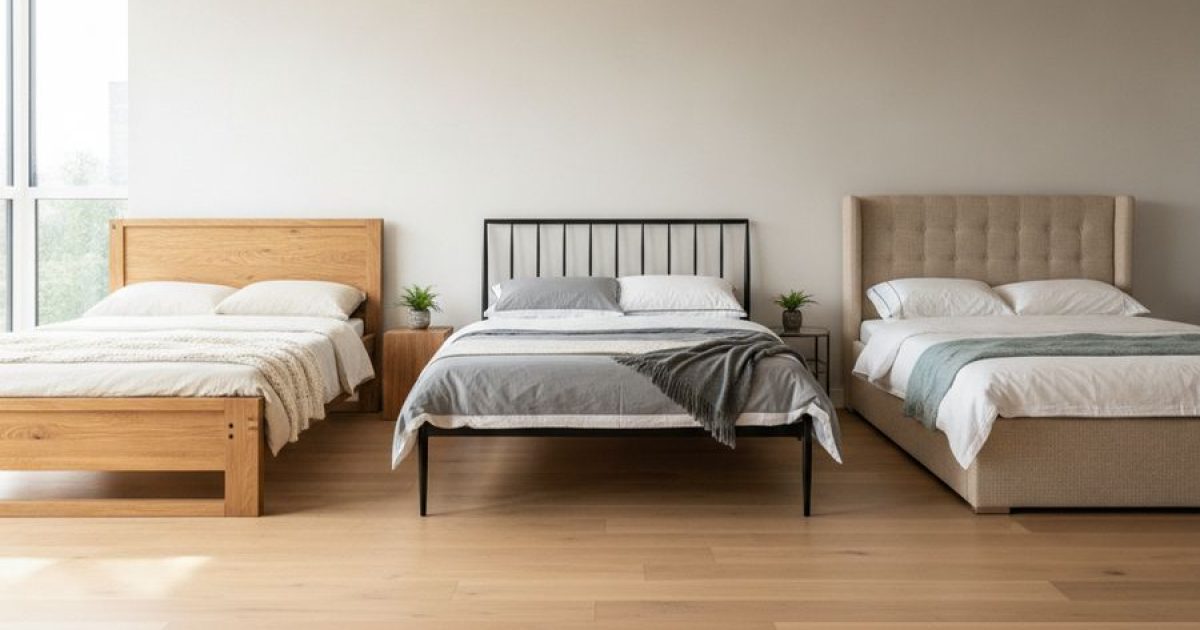
When shoppers compare a wooden, metal or upholstered bed frame, the biggest difference is not only appearance. Frame material comparison matters because each option reacts differently to weight, movement, moisture and daily wear. A lasting bed frame depends on how well the material holds its shape over time and how much care it needs to stay in good condition.
Wood is often valued for its sturdy feel and timeless look, but it can respond to changes in room humidity. Solid timber usually lasts well when properly finished, while lower-grade wood or thin veneers may loosen or warp faster. Metal can be highly reliable, especially in simpler designs, though poor-quality frames may bend, squeak or develop weak points at welded joints. Upholstered styles add comfort and softness, but their lifespan depends on both the inner structure and the durability of the fabric covering.
Material affects maintenance just as much as it affects style, so the best-looking frame is not always the one that lasts longest
For most buyers, the smartest approach is to balance comfort, structure and upkeep. In any wood vs metal decision, it helps to think beyond the showroom finish and focus on how the frame will perform after years of use.
Which Bed Frame Handles Daily Use Best?
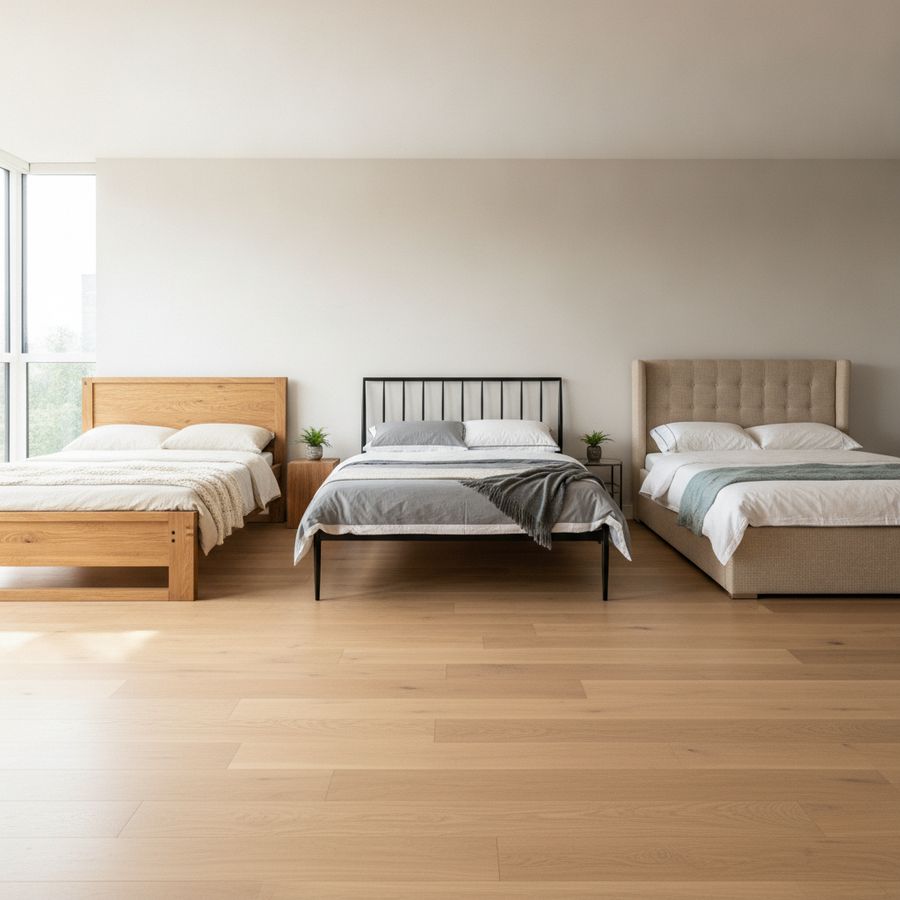
Daily use puts stress on every part of a bed, from the corners and centre rail to the slats and support legs. If bed frame durability is your top concern, the winner is usually the frame with the strongest build quality rather than the trendiest finish. That said, some materials naturally cope with repeated use better than others.
Solid wood frames perform well in busy households because they offer strong weight-bearing support and can tolerate years of regular movement when joints are properly secured. Metal frames also handle daily use well, particularly in smaller rooms, guest rooms or homes where the bed may be moved more often. A well-made upholstered bed frame can be equally dependable, but only if the frame underneath is robust and the fabric is suited to real-life use.
Buyers should pay attention to how the bed will actually be used:
- Shared beds need stronger centre support
- Children’s or teen rooms benefit from scratch-resistant, easy-clean finishes
- Storage or ottoman models need reliable lift mechanisms and reinforced bases
In a practical wood vs metal comparison, wood often feels more substantial, while metal can be easier to maintain. The best everyday choice is the one built to handle your weight, your routine and the room it sits in.
Solid Construction Matters More Than Style Alone
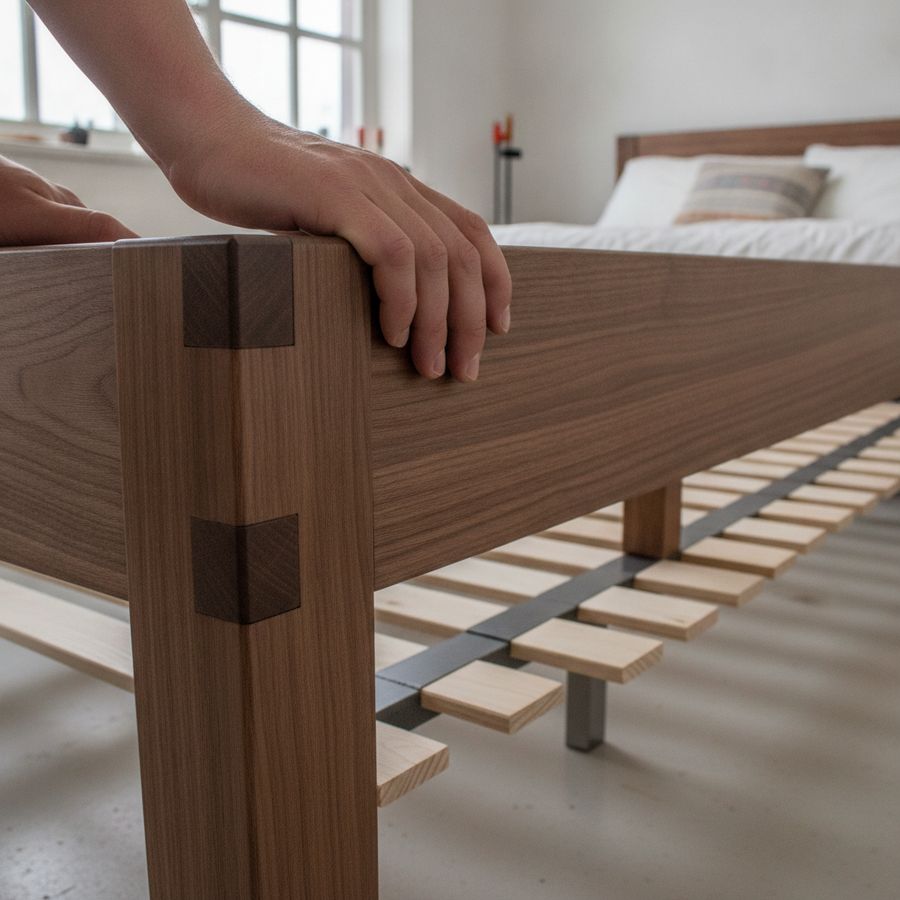
Style can draw you in, but construction decides whether a bed frame stays strong after years of sleep, movement and cleaning. A beautifully finished frame may still disappoint if the side rails are thin, the centre support is weak or the fixings loosen too easily. When judging a lasting bed frame, structure should always come before surface detail.
That is especially true when shoppers compare statement headboards, decorative upholstery, sleek metal lines or rustic timber finishes. None of those visual features automatically guarantees better bed frame durability. A simple frame with solid rails, dependable corner joints and well-spaced support slats can easily outlast a more elaborate design made with lower-grade materials.
Long-term value comes from what holds the bed together, not only from what makes it look attractive on day one
A strong build often includes a reinforced centre bar, stable support legs and fixings that can be tightened securely over time. For larger sizes such as king or super king, these details matter even more because wider beds carry more force across the frame. Whether you prefer traditional wood, minimalist metal or a premium upholstered bed frame, the hidden framework is what turns a stylish purchase into a dependable one. Good design is important, but solid construction is what keeps a bed performing night after night.
How Does Upholstery Affect Long-term Durability?
An upholstered bed frame offers a softer look and a more comfortable feel, especially for people who like to sit up in bed to read or watch television. However, long-term durability depends on more than the padding. The fabric, stitching, foam density and internal frame all work together, so one weak element can shorten the lifespan of the whole bed.
High-use households should think carefully about fabric choice. Tightly woven materials and durable finishes usually cope better with friction, pets and regular cleaning than delicate fabrics. Lighter colours can show marks faster, while textured fabrics may hide minor wear better. If the upholstery is paired with a solid timber structure and strong support system, it can still be a very lasting bed frame option.
There are also a few maintenance realities to remember:
- Fabric can collect dust more easily than exposed wood or metal
- Padded edges may show wear where people sit most often
- Buttoned or deeply detailed designs may need more regular cleaning
In a broad frame material comparison, upholstery does not automatically mean lower quality. It simply adds another layer of care. Buyers who want comfort and style should focus on durable fabric choices and a strong inner frame, not just the softness of the finish.
Metal Frames Resist Wear But Vary Widely
Metal bed frames have a reputation for toughness, and in many cases that reputation is deserved. They are often less vulnerable to scuffs, moisture changes and everyday knocks than some other materials. For buyers thinking about wood vs metal, metal can be an excellent choice when low maintenance and clean-lined practicality matter most.
Still, not all metal frames deliver the same level of performance. Thicker steel components, reliable welds and strong centre supports usually indicate better bed frame durability. Lighter frames made from thinner tubing may feel fine at first but can flex, squeak or shift over time, especially in larger bed sizes or homes with heavy daily use. That is why the phrase metal frame can cover everything from very durable to disappointingly flimsy.
A metal frame is only as strong as its gauge, weld quality and support design
Another point in metal’s favour is upkeep. Painted or powder-coated finishes are generally easy to wipe down, and metal does not trap dust in the same way as fabric-covered styles. However, poorly applied finishes can chip, and cheaper fittings may loosen with repeated movement. In a fair frame material comparison, metal deserves serious consideration, but buyers should inspect the details rather than assume every metal frame will automatically become a lasting bed frame.
Smart Buyers Compare Joints, Slats and Finish
The most informed shoppers do not stop at choosing between wood, metal or an upholstered bed frame. They also inspect the smaller features that have a major effect on long-term strength. Joints, slats and finish tell you a great deal about whether a bed is built for years of use or mainly designed to look appealing in product photos.
Start with the joints. Bolted and well-fitted connections tend to inspire more confidence than parts that feel loose during assembly. In wooden frames, look for secure corner construction and firm centre support. In metal frames, check the welds and how the rails connect. Then move to the slats. More evenly spaced slats generally offer better mattress support and help reduce strain on the frame itself.
A careful checklist helps when assessing bed frame durability:
- Stable centre rail and support legs for double, king and super king sizes
- Slats that are solid, evenly spaced and properly secured
- A finish that resists chips, scratches or fabric wear
- Fixings that can be retightened if needed
Finally, consider the finish as protection as well as decoration. Good paint, stain, powder coating or durable upholstery can extend the life of a frame by reducing wear. In any wood vs metal decision, these practical details often matter more than the headline material alone.