



What Does Each Mattress Price Band Buy?
In any practical mattress cost guide, the first thing UK shoppers should know is that price bands usually reflect a mix of materials, depth, support systems, and finishing quality. In the budget mattress UK category, roughly under £250, you will often find basic open coil models, thinner foam mattresses, and entry-level orthopaedic options designed for spare rooms, children, or temporary use.
Move into the £250 to £600 bracket and UK mattress prices start buying noticeably better comfort. This is where many shoppers find the sweet spot: stronger spring units, better edge support, deeper fillings, and more dependable pressure relief. A good mid-range mattress often delivers the best balance between cost and everyday performance.
Above £600, you are usually paying for premium pocket springs, natural fillings, deeper memory foam, hybrid builds, or luxury hand-finished construction.
Price does not guarantee comfort, but it usually increases the chances of better support, longer life, and fewer compromises
The right mattress budget depends on how often the mattress will be used, your body weight, sleep position, and how long you expect it to last.
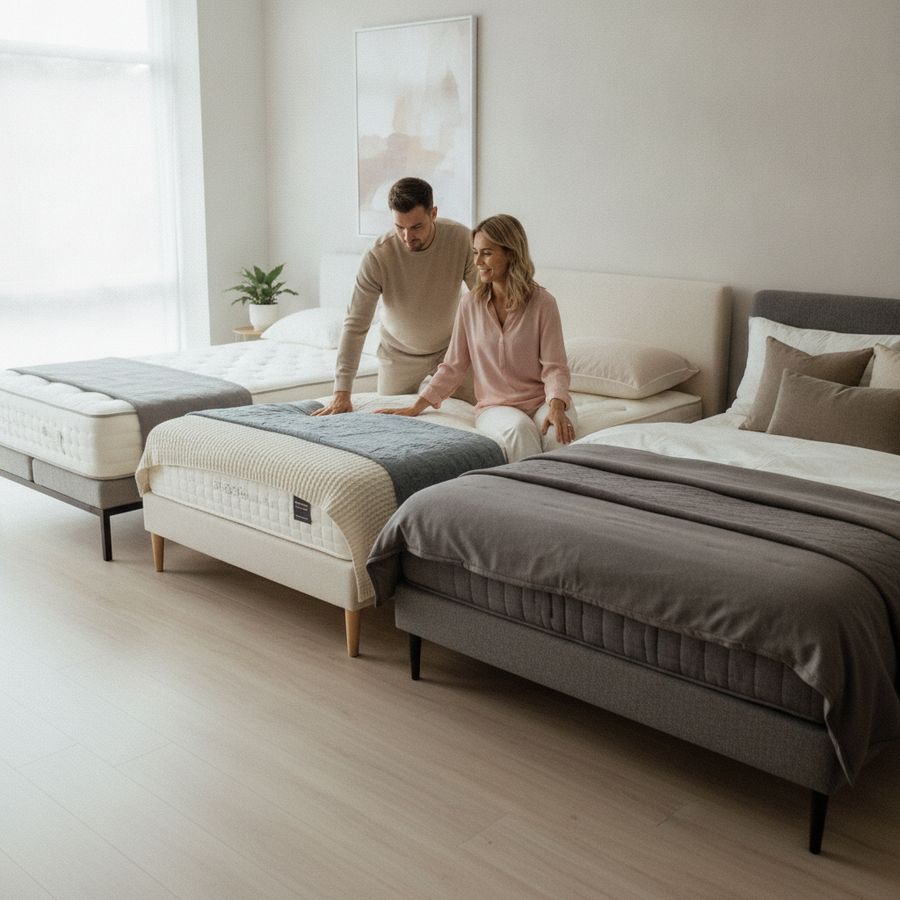
The Real Differences Between Budget and Mid-range
The biggest difference between a budget mattress and a mid-range mattress is not marketing language. It is usually found in the internal build. Budget models often rely on simpler spring systems, lower-density foams, and lighter upholstery layers. That can be perfectly fine for occasional use, but for nightly sleep, these materials tend to compress faster and offer less refined support.
Mid-range options typically feel more stable because they use stronger components. You may get individually responsive pocket springs, thicker comfort layers, and better stitching around the edges. Those details matter because they improve movement isolation, reduce roll-together, and help the mattress keep its shape for longer.
- Budget mattresses usually prioritise low upfront cost
- Mid-range mattresses usually improve durability and pressure relief
- Heavier sleepers often notice the quality gap more quickly
When comparing UK mattress prices, think beyond the first lie-down. A cheaper bed may feel acceptable for ten minutes in a showroom or online description, but a better-made mattress often performs far more consistently over months and years.
For most households, mid-range is where value starts to overtake simple affordability
Factory-direct prices · Free UK delivery
Find your price band. Then find your mattress.
Our mattresses start from £120 for a single, with plenty of choice in the mid-range between £350 and £650.
When a Cheap Mattress Becomes False Economy
A low price can look attractive, especially when you are furnishing a room on a tight budget. However, a cheap mattress becomes false economy when it needs replacing far sooner than expected. If a mattress loses support within two or three years, the money saved at checkout can disappear quickly.
This is especially true for main bedrooms. If you sleep on the mattress every night, poor durability can lead to sagging, uneven pressure, and disturbed sleep. In that case, the real cost is not just financial. It can also mean waking up stiff, overheating more easily, or struggling to get comfortable as fillings flatten.
There are times when a lower-cost option still makes sense, such as guest rooms, student lets, or short-term accommodation. But for full-time use, your mattress budget should account for lifespan as well as purchase price.
A mattress that feels cheap after 18 months is rarely the bargain it first appeared to be
For shoppers using a budget mattress UK search, the smarter question is not only what costs less today, but what will still feel supportive years from now.
Which Materials Raise the Price Fastest?
Some mattress materials increase cost much faster than others. Among the most common price drivers are natural fillings, high-density memory foam, latex, and high-count pocket spring systems. These tend to cost more because they use better raw materials, require more complex construction, or are designed to deliver a more premium sleep feel.
Natural fillings such as wool, cotton, cashmere, or silk often push UK mattress prices upward quickly. They are valued for breathability, temperature regulation, and a more luxurious finish. Latex can also raise the price sharply because it is resilient, supportive, and typically longer lasting than basic synthetic foams.
- Open coil springs are usually the most affordable
- Pocket springs usually cost more, especially in higher counts
- Thicker, denser foams are more expensive than lightweight comfort layers
- Natural fibres often add a premium feel and a premium cost
That said, higher price does not automatically mean better for everyone. The best mattress cost guide advice is to focus on materials that match your sleep needs rather than chasing every luxury upgrade available.
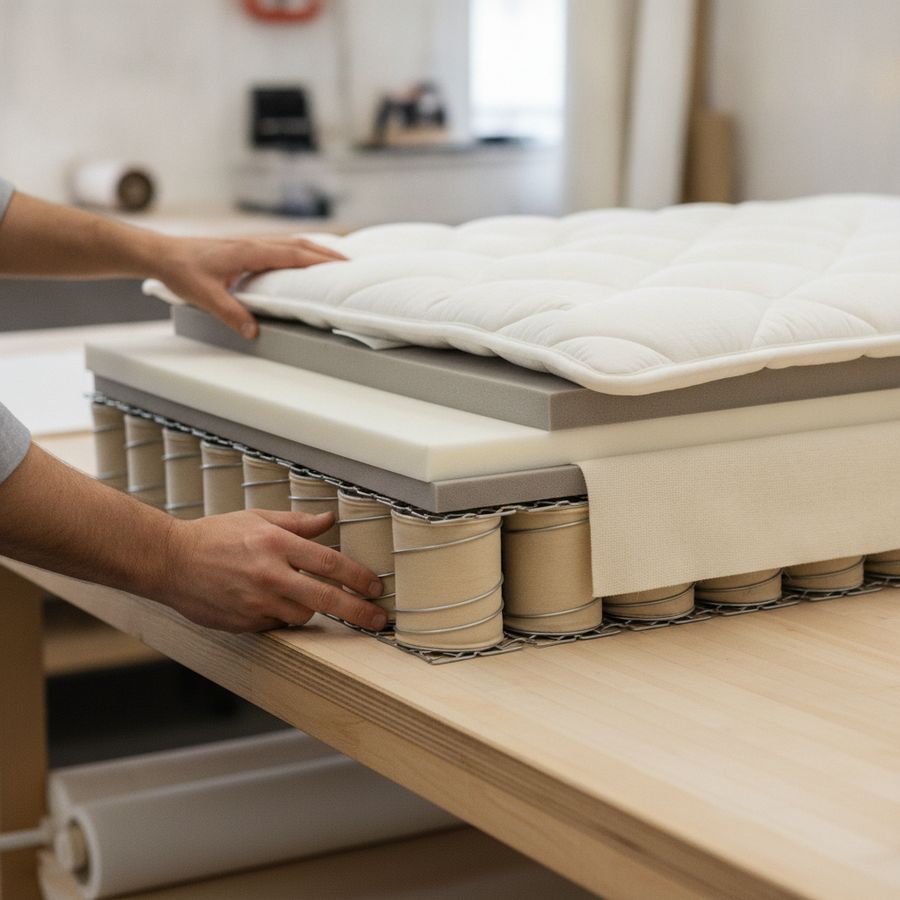
Expected Lifespan At £200, £500, £1,000
As a rough guide, a £200 mattress in the UK market may last around three to five years if used regularly, depending on body weight, build quality, and how well it is rotated. At this level, expectations should be realistic. These mattresses can be serviceable, but they are rarely built for long-term heavy use.
At around £500, lifespan often improves to six to eight years. This is where many mid-range mattress models sit, and it is one reason this band appeals to value-focused buyers. Better spring systems, denser fillings, and more reliable edge support usually help the mattress hold up better over time.
At £1,000, shoppers are often entering the premium category, where eight to ten years or more is a reasonable expectation if the mattress is well maintained.
Longevity depends not just on price, but on construction quality, user weight, and whether the mattress suits the sleeper properly
So while UK mattress prices do influence lifespan, matching the mattress to the sleeper remains just as important as the number on the price tag.
How Much Should UK Buyers Spend?
For most people, a sensible spending range sits between £300 and £700, depending on size and sleep needs. That bracket usually offers the strongest balance of comfort, support, and durability without pushing into luxury pricing. If you are buying for a master bedroom, this is often the most practical mattress budget to start with.
Of course, not every buyer needs the same thing. A child’s room, guest room, or temporary setup may be well served by a lower-cost option. By contrast, couples, side sleepers, and heavier individuals often benefit from stretching their budget mattress UK search into mid-range territory, where support and motion control are usually better.
Before deciding, ask yourself a few simple questions:
- Will the mattress be used every night?
- Do you need better pressure relief or firmer support?
- Are you hoping to keep it for at least seven years?
If the answer is yes to most of these, spending a little more often makes sense.
The best buying strategy is not the cheapest mattress you can tolerate, but the best mattress you can comfortably afford
That is the clearest way to make sense of today’s UK mattress prices.
Ready to find the right mattress for your budget?
Explore our mattress range, or message us on WhatsApp and we’ll help you choose the right price band and firmness.