



Overview
Understanding UK bed sizes is essential when choosing the perfect bed for your bedroom. The UK market offers a range of sizes from single beds to super king, each designed to cater to different needs and room dimensions. Whether you’re furnishing a compact student room or a spacious master bedroom, knowing the exact dimensions helps ensure comfort and practicality.
UK bed sizes are standardized to simplify selection, yet variations in mattress thickness and bed frame style can affect the overall footprint. The most common sizes are single, double, king size, and super king, each suited for different sleepers and spaces. For example, a single bed size is ideal for children or solo sleepers, while the double bed size suits couples in smaller rooms.
“Choosing the right bed size improves sleep quality and room functionality.”
In this guide, we’ll explore the exact measurements of each UK bed size, discuss how to assess your room’s suitability, and offer tips on mattress and frame sizing. Armed with this knowledge, you’ll find it easier to select a bed that fits your lifestyle and space perfectly.

Standard UK Bed Sizes and Exact Measurements
Knowing the precise measurements of UK bed sizes is vital for purchasing the right bed and mattress. Here are the standard dimensions:
- Small Single: 75 cm x 190 cm (2’6” x 6’3”)
- Single: 90 cm x 190 cm (3’0” x 6’3”)
- Small Double: 120 cm x 190 cm (4’0” x 6’3”)
- Double: 135 cm x 190 cm (4’6” x 6’3”)
- King Size: 150 cm x 200 cm (5’0” x 6’6”)
- Super King: 180 cm x 200 cm (6’0” x 6’6”)
King size bed dimensions and super king beds offer more sleeping space, ideal for couples who want extra comfort. The length of 200 cm (6’6”) on king and super king beds provides additional legroom compared to smaller beds.
Remember, mattress depth varies, usually between 20 to 30 cm, which can influence your bedding choices. Additionally, bed frames may add to the overall size, so always check frame specifications when buying your bed.
Handmade in Yorkshire · Free UK delivery
Found your size? Now choose your bed.
Ottoman storage, divan, upholstered and TV beds, handmade to order in sizes from single to super king.
Room Size Checklist for Double and King Beds
Before purchasing a double bed size or larger, consider your room’s dimensions carefully. A bed that’s too large can make the room feel cramped and limit other furniture placement. Here’s a checklist to help you assess:
- Measure your bedroom’s length and width accurately.
- Allow at least 60 cm of clearance around the bed for ease of movement.
- Consider doorways and windows to avoid blocking access.
- Account for wardrobes, bedside tables, and other furniture.
- Think about future layout changes or additional pieces.
For double beds, a room size of at least 9 square meters is recommended, while king size beds ideally require 12 square meters or more. Ensuring enough space around your bed enhances comfort and prevents a cluttered feeling.
“Adequate clearance around your bed is key to a functional and relaxing bedroom.”
Measuring and planning your room helps you enjoy the luxury of a king size bed without sacrificing space or style.
Will a King Size Bed Fit Your Room?
Determining if a king size bed dimension will fit your room involves more than just measuring the bed itself. You must consider the bed’s footprint alongside room layout, door swings, and circulation paths.
King size beds typically measure 150 cm wide by 200 cm long, which means you need a bedroom that can comfortably accommodate this plus space for bedside tables and walking areas. Ideally, your room should be at least 3.5 meters by 3.5 meters.
If your room is smaller, a king size bed might overwhelm the space, restricting furniture placement and movement. In such cases, a double bed or small double may be more practical.
“A king size bed enhances comfort but requires careful room planning to avoid overcrowding.”
Consider using a floor plan or room measurement app to visualize the bed’s placement. This will help you decide if the king size bed suits your bedroom or if a different size is better suited.
Super King Bed Dimensions and Clearance Tips
The super king bed size is the largest standard bed available in the UK, measuring approximately 180 cm wide by 200 cm long. This spacious option offers unrivalled comfort for couples who want maximum sleeping space or for those who share their bed with children or pets.
However, because of its size, clearance and room dimensions are crucial. Ideally, your bedroom should be at least 14 square meters to comfortably fit a super king bed with sufficient walking space.
- Maintain at least 60 cm clearance on all sides for easy movement.
- Consider the bed frame’s bulk, which can add to the overall width and length.
- Plan furniture placement to avoid congestion near doors and windows.
Clearance tips include keeping pathways clear and avoiding overcrowding to maintain a relaxing, functional bedroom environment. A super king bed can be a luxurious centerpiece if your room size and layout support it well.
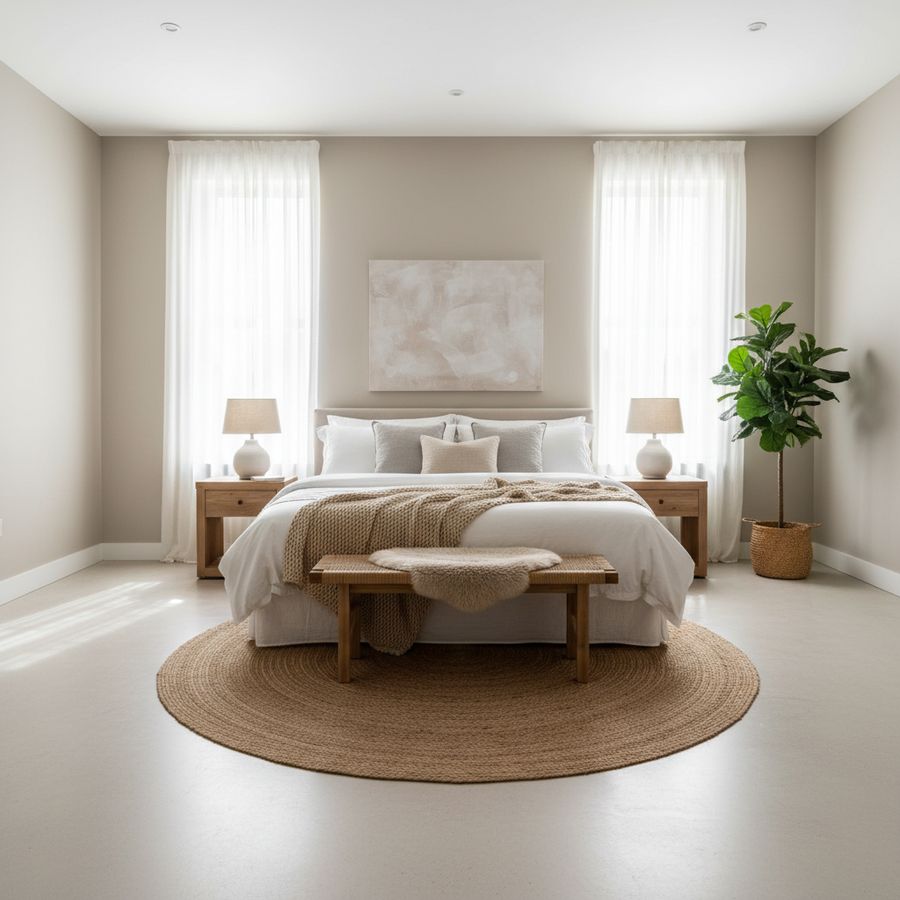
Mattress Sizes Vs Bed Frame Sizes Explained
When selecting a bed, understanding the difference between mattress sizes and bed frame sizes is essential. While mattress dimensions are standardized, bed frames can vary widely depending on design and style—impacting the overall space your bed occupies.
A mattress is the sleeping surface, whereas the bed frame includes the base, headboard, and sometimes footboard. Frames often add extra width and length beyond the mattress size, especially with upholstered or storage designs.
“Choosing the right bed frame ensures both style and space efficiency in your bedroom.”
For example, a king size mattress is 150 cm by 200 cm, but the frame might add 10-15 cm each side or more if storage drawers are included. It’s advisable to check frame specifications before buying to ensure it fits your room comfortably.
Understanding this distinction helps avoid surprises during delivery and ensures your bed complements your bedroom size and décor perfectly.
Measuring Your Space for a New Bed
Accurately measuring your bedroom space is the first step toward selecting the perfect bed size. Here’s a simple method to follow:
- Use a tape measure to note the length and width of your room.
- Mark out the proposed bed footprint on the floor using masking tape.
- Account for additional space needed for bedside tables and walking clearance (a minimum of 60 cm around the bed).
- Measure doorways and windows to ensure the bed can be moved in and does not block access.
- Consider ceiling height and any sloping walls for headroom if applicable.
Proper measurement prevents purchasing a bed that’s too large or awkwardly placed. It also helps you visualize how your bedroom will feel with the new bed, aiding better planning for furniture and décor.
“Measuring your space carefully ensures a comfortable and stylish bedroom layout.”
By taking these steps, you can confidently select a bed size that maximizes comfort without compromising room functionality.
Conclusion
Choosing the right bed size is a critical decision that affects your sleep quality and bedroom comfort. This guide has outlined the key UK bed sizes from single to super king, including exact measurements and tips for assessing room suitability.
Remember, while a king size bed dimension or super king bed size offers more space and luxury, it requires adequate room size and clearance to avoid overcrowding. Measuring your space carefully and understanding mattress versus bed frame dimensions will help you make an informed choice.
Harmony Beds offers a wide selection of handmade beds and mattresses with customizable options to suit any room size or style. By choosing the right size and style, you can create a relaxing and functional bedroom tailored to your needs.
“A well-chosen bed size transforms your bedroom into a haven of comfort and style.”
Still not sure which size fits your room?
Message us your room measurements and we’ll help you choose, or browse the range and order free swatches before you buy.