

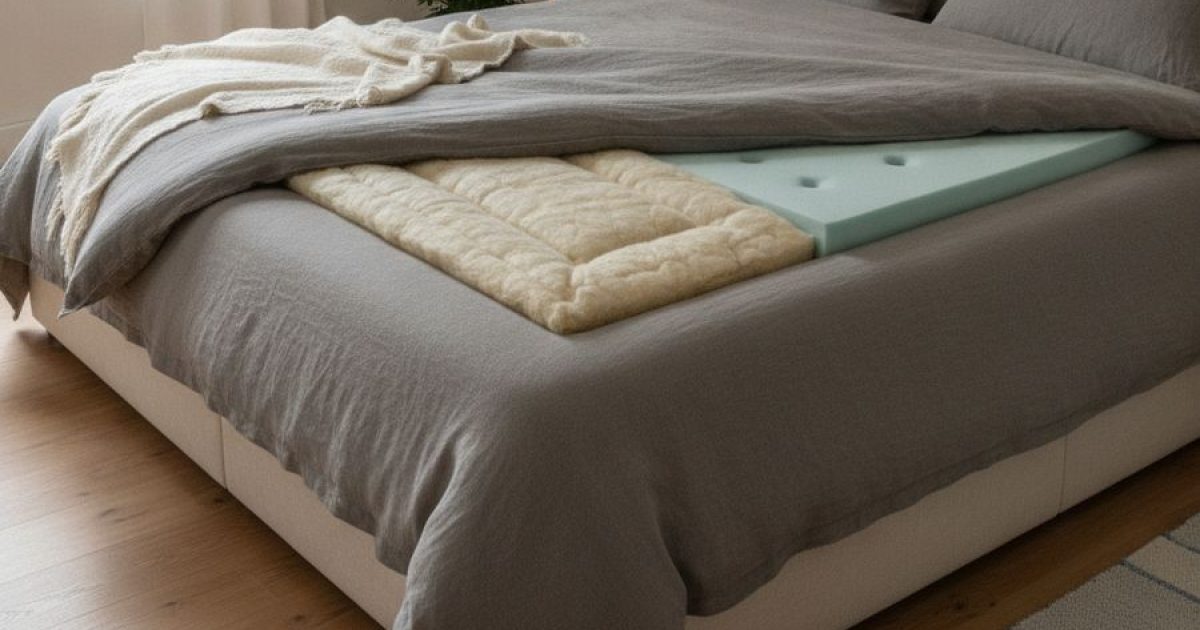

How Natural Fillings Change Overnight Comfort
A natural fibre mattress often feels different as the night goes on because its fillings respond gently to body temperature, weight, and moisture rather than simply compressing under pressure. Materials such as wool, cotton, silk, cashmere, and horsehair create a sleep surface that many people describe as more settled and balanced. Instead of a heavily cushioned “sink-in” feel, natural mattress fillings usually provide comfort with a slightly springier, more supportive character.
That matters over a full night’s sleep. Natural fibres can absorb and release moisture more effectively than many synthetic alternatives, helping the bed feel fresher for longer. If you tend to move positions during the night, this can make the mattress feel more consistent from bedtime through to morning. A well-made natural mattress may also reduce the clammy sensation some sleepers notice on dense foam surfaces.
Natural fillings tend to change comfort gradually and evenly, which is why many sleepers find them more stable over a full night
Another advantage is how layered natural fillings age. Rather than developing a single deep body impression quickly, quality fibres often settle in a more distributed way when paired with good support beneath. This can improve perceived mattress durability, especially for buyers comparing premium comfort materials.
- Wool helps regulate temperature and moisture
- Cotton adds softness and breathability
- Horsehair improves airflow and resilience
- Silk and cashmere can add a smoother surface feel
For sleepers who want a bed that feels breathable, supportive, and less prone to dramatic overnight heat build-up, the best mattress fillings often include a blend of natural fibres rather than relying on foam alone.
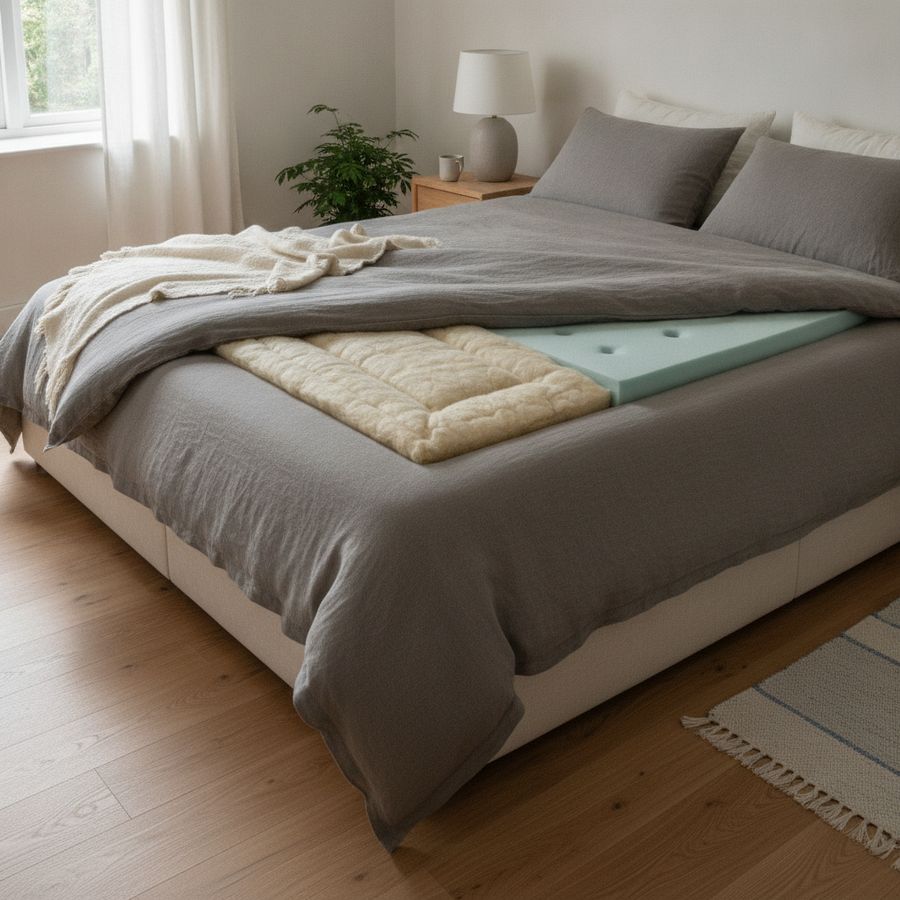
Why Foam Feels Different After Six Months
A foam mattress can feel wonderfully comfortable in the first few weeks, especially if you like deep contouring and pressure relief. However, the feel after six months often tells a more realistic story. Foam adapts closely to the body, and that same flexibility is also why it may soften in the areas you use most. The result can be a mattress that no longer feels as even or buoyant as it did when new.
Not all foam performs the same way. High-density foams generally hold their shape better than lower-density comfort layers, but even better foams can lose some of their initial firmness over time. This is especially noticeable for couples, heavier sleepers, or anyone who sleeps in one spot every night. If the top layers begin to relax too quickly, the mattress may start feeling warmer, deeper, and harder to move around on.
The first showroom feel of foam is not always the same feel you live with months later
This is one reason why shoppers should think beyond immediate comfort. A mattress that feels luxurious on day one may not offer the same long-term support if the internal structure depends heavily on softer foam layers. When comparing best mattress fillings, it is worth asking how the comfort material will perform after repeated use, not just how it feels under bright shop lights.
For many people, foam remains a practical option, but expectations should be realistic. If long-term shape retention is a priority, compare the foam quality carefully and look at the full construction rather than judging the mattress by softness alone. That approach leads to a smarter assessment of true mattress durability.
Durability Tests That Matter Before Buying
When you are comparing a foam mattress with a natural fibre mattress, marketing claims can sound impressive, but a few practical durability checks reveal far more. The first is the depth and quality of the fillings. A mattress with substantial, well-distributed layers is usually better equipped to resist premature flattening than one that relies on a thin comfort pad over a basic core.
You should also look at the support system underneath the comfort layers. Pocket springs, open coil units, and reinforced edge structures all affect how well the mattress keeps its shape. Fillings matter, but they perform best when the base construction is strong enough to support them properly. This is especially important for everyday family use where a mattress needs to cope with years of repeated pressure.
- Check whether the fillings are dense and well layered
- Ask about spring count and edge support
- Look for information on rotation requirements
- Review the warranty, but do not rely on it alone
- Consider your body weight and sleeping habits
A useful sign of good mattress durability is whether the mattress is designed for regular turning or rotating, as this often helps wear remain even across the surface. Stitching, tufting, and side support can also tell you a lot about build quality.
Durability is not one feature but the result of good fillings, strong support, and consistent construction
Before buying, focus on what will matter after two or three years, not just what feels soft for ten minutes. That mindset will help you choose from the best mattress fillings with confidence and avoid paying for short-term comfort that fades too fast.
Breathability and Heat Retention Compared Clearly
Heat build-up is one of the biggest differences people notice between mattress types. A natural fibre mattress usually allows more airflow because its fillings are looser, more breathable, and better at managing moisture. Wool in particular is valued for helping regulate temperature through changing seasons, which makes it popular with sleepers who feel too warm in bed.
By contrast, a foam mattress often holds more heat because the material contours closely around the body. This can create a cocooning feel that some people enjoy, especially in colder weather, but others find it stuffy after several hours. Even when foam includes cooling gels or open-cell designs, it may still feel warmer than natural fillings because the sleep surface remains more enclosed.
Breathability is not just about feeling cool at bedtime, but about avoiding trapped heat through the whole night
This difference becomes more obvious for hot sleepers, couples, and people using heavier duvets. If your mattress does not release warmth and moisture efficiently, sleep can become fragmented. You may wake up turning over more often or pushing covers away, even if the mattress felt comfortable at first.
When comparing mattress fillings, it helps to think seasonally as well as instantly. Natural fibres tend to offer a broader comfort range throughout the year, while foam comfort can be more dependent on room temperature and personal heat levels. For buyers who prioritise freshness and airflow, some of the best mattress fillings include wool, cotton, and horsehair blends, especially when paired with a supportive spring system that encourages ventilation from top to bottom.
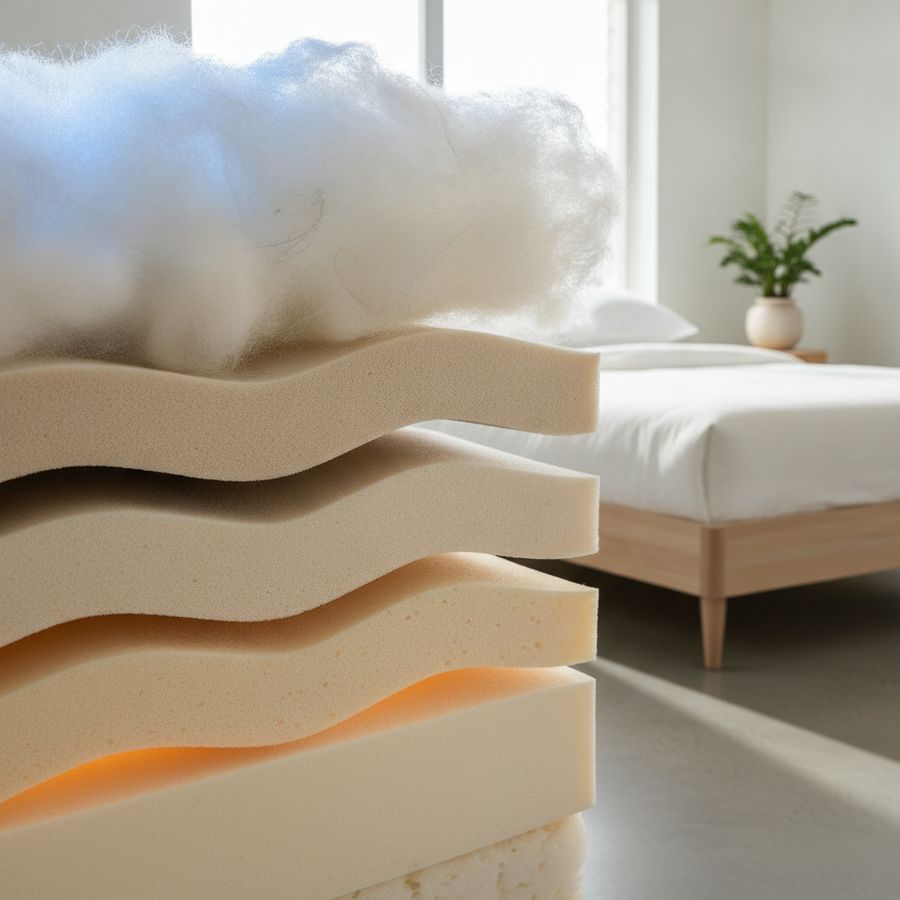
Best Value Fillings for Everyday Sleepers
Best value does not always mean cheapest. For everyday sleepers, the most sensible choice is often the one that balances comfort, support, and mattress durability over time. In many cases, hybrid constructions offer the strongest value because they combine dependable support with comfort layers that suit regular use. A mattress that stays comfortable for years is usually better value than one with a lower upfront price but a shorter useful life.
For budget-conscious shoppers, reflex foam and standard foam comfort layers can still be practical, especially in guest rooms or lighter-use bedrooms. But for a main bed used every night, natural fillings or mixed-fill designs often give better long-term performance. Wool and cotton can add comfort without the heavy heat retention that some all-foam designs create, while pocket springs can help the mattress maintain structure.
- Good value for hot sleepers: wool and cotton over pocket springs
- Good value for mixed comfort: hybrid spring and foam builds
- Good value for occasional use: basic foam models
- Good value for longevity: natural fibre blends with turnable designs
The best mattress fillings for everyday use depend on how you sleep, but resilience should always be part of the calculation. A mattress that needs replacing sooner is rarely the bargain it first appears to be.
True value comes from comfort that lasts, not from the lowest ticket price alone
If you want a balance of affordability and performance, compare how the fillings behave after regular use. That is often where a well-made natural fibre mattress or hybrid model begins to justify the investment.
Who Should Avoid All-foam Mattresses
An all-foam mattress is not automatically a poor choice, but it is not right for everyone. If you sleep hot, struggle with night sweats, or prefer a fresher, more ventilated bed, all-foam construction may feel too warm compared with more breathable mattress fillings. Even advanced foam can retain more heat than natural fibres, particularly when the mattress closely hugs the body.
People who find it difficult to turn or get out of bed should also think carefully. A foam mattress often creates a deeper cradled feel, which can make movement less effortless. That may be fine for some sleepers, but older adults, those with reduced mobility, or anyone who prefers a more responsive surface may be better suited to springs, natural fillings, or a hybrid design.
Heavier sleepers should be cautious as well, especially if the foam layers are soft or lower density. Over time, greater pressure can increase the risk of body impressions and make the mattress feel less level. For them, stronger support systems and more resilient comfort layers often improve both comfort and mattress durability.
If you need airflow, easier movement, or stronger long-term shape retention, all-foam may not be the best fit
You may want to avoid all-foam if you:
- Regularly overheat during sleep
- Prefer a firmer, more lifted feel
- Need easier movement in bed
- Want fillings with a more traditional, breathable character
For these sleepers, the best mattress fillings often include wool, cotton, and other natural fibres supported by a quality spring base, delivering a more balanced and durable night’s sleep.