



Exact UK Bed Dimensions Before You Buy
Understanding UK bed sizes is the first step to choosing a bed that looks right, feels comfortable and actually fits your room. In standard bed dimensions UK, a small single is 75cm x 190cm, a single is 90cm x 190cm, a small double bed is 120cm x 190cm, a double is 135cm x 190cm, a king size bed is 150cm x 200cm, and a super king bed is 180cm x 200cm. Those extra centimetres matter more than many shoppers expect.
Length is especially important. A king and super king are not just wider than a double; they are usually 10cm longer too. That can make a real difference for taller sleepers or couples who feel cramped at the foot of the bed. If you are upgrading from a double, do not assume your current room layout will work in exactly the same way.
Choosing the right mattress size starts with measuring both your room and the full bed frame, not just the sleeping surface
It also helps to remember that retail categories often use feet as shorthand, such as 4’0 small double, 5’0 king size and 6’0 super king. However, always check the metric measurements before ordering. A stylish bed frame, upholstered surround or storage base can make the overall footprint significantly larger than the mattress itself.
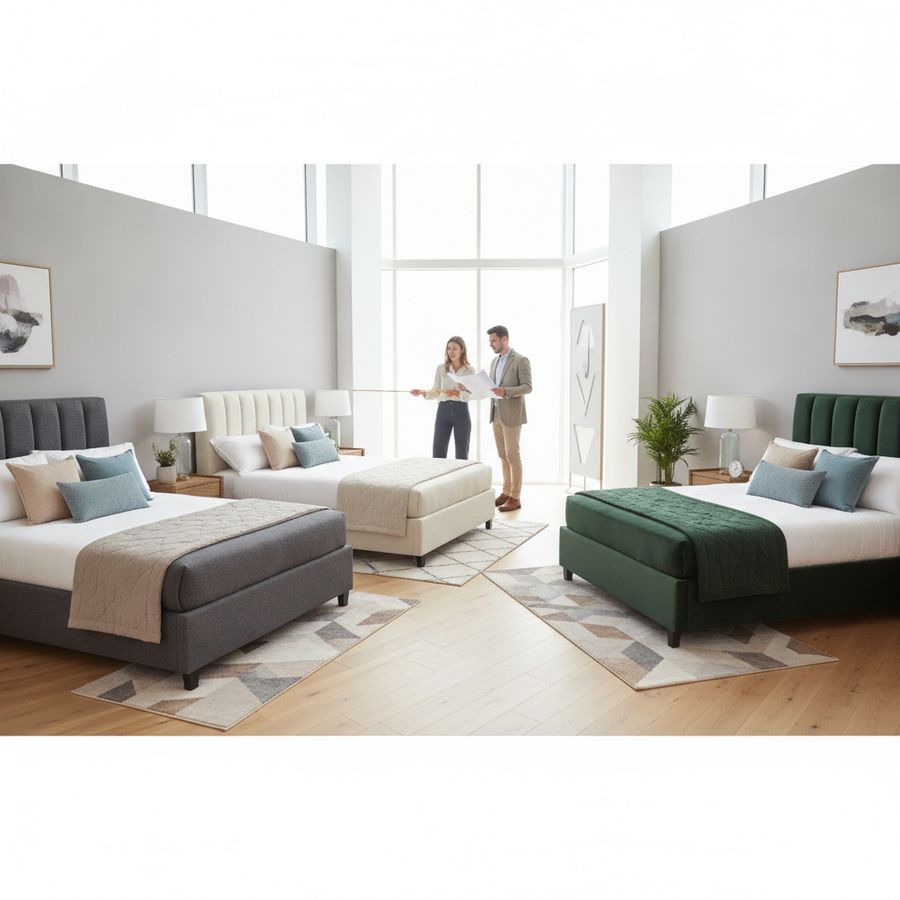
What Space Does a King Need?
A king size bed measures 150cm wide by 200cm long, but the mattress alone does not tell the whole story. In practical terms, most bedrooms need enough space for the bed plus comfortable clearance around it. A useful rule is to allow roughly 60cm of walking space on each accessible side and at the foot where possible. That helps the room feel usable rather than overcrowded.
For many UK homes, a king works best in a main bedroom that is at least around 270cm x 270cm, though ideal layout depends on wardrobes, radiators, windows and door swings. If you also want bedside tables, a bench, or opening drawers, you may need more room than the basic measurements suggest. This is especially true with ottoman or winged designs.
- Measure wall-to-wall width and length
- Note doors, sockets and window positions
- Check wardrobe and drawer opening space
- Allow for bedside units and walking routes
A king is often the sweet spot for couples because it offers more personal space without the scale of a super king bed. If your room can support it comfortably, it usually feels like a worthwhile upgrade from a double, particularly for restless sleepers or anyone sharing with pets or children in the early morning.
When Is a Super King Worth It?
A super king bed gives you 180cm of width and 200cm of length, making it the largest standard choice in most UK bed sizes. It is worth considering when space and comfort are top priorities. For couples who wake each other up, need more elbow room, or simply want a hotel-style feel at home, the difference from a king can be substantial.
The extra 30cm over a king size bed may not sound dramatic on paper, yet it often transforms how the bed feels in daily use. It is especially useful if one or both sleepers move a lot, prefer a larger duvet spread, or share the bed with a child or pet from time to time. Taller adults also benefit from the 200cm length, although a king already offers that advantage.
A super king is usually worth it when the bedroom still feels balanced after the bed is placed, not when the bed becomes the entire room
That said, bigger is not always better. In smaller bedrooms, a super king can limit movement, reduce storage access and make the room feel tight. It can also increase spending on mattresses, bedding and bed frames. If the bed leaves little room for circulation or furniture, a king may be the smarter and more comfortable long-term choice.
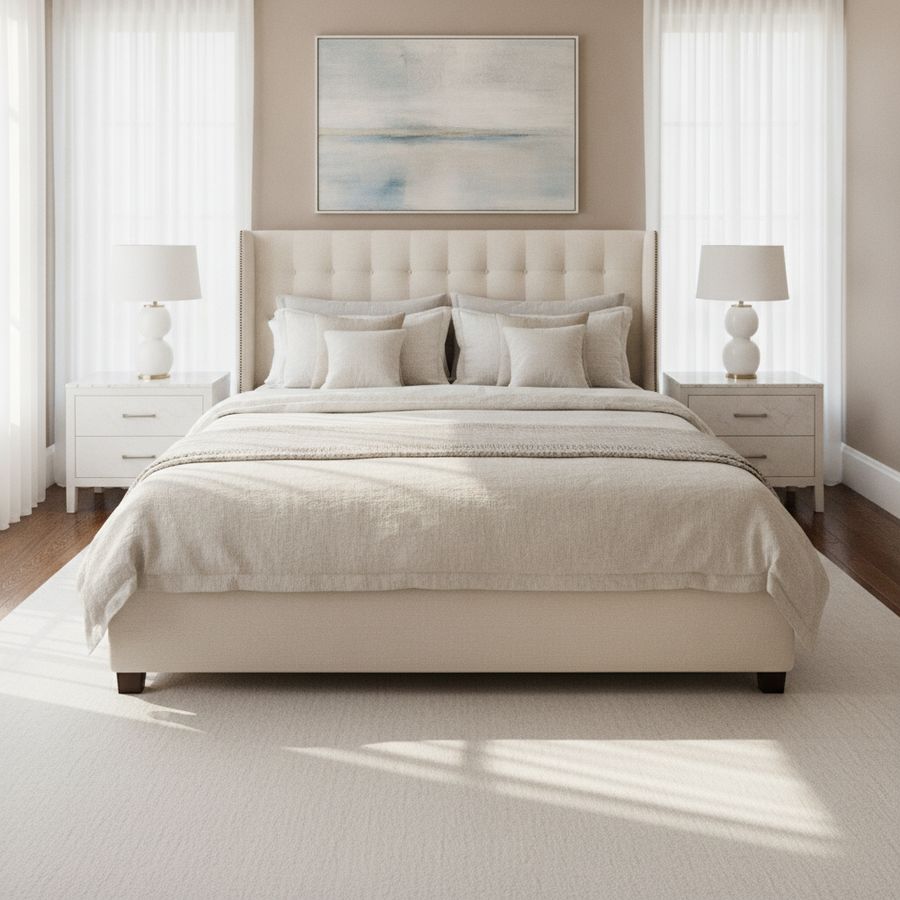
Bedroom Layout Matters Beyond Mattress Width
Many shoppers focus only on mattress width, but a successful bedroom layout depends on how the whole room functions. A bed can be the correct size on paper and still feel awkward once real-life features are taken into account. Think about door openings, wardrobe access, window placement, radiator clearance and where you naturally walk through the room each day.
For example, a small double bed may be easier to live with in a box room than a standard double if it preserves floor space and gives you better access to storage. In the same way, a king size bed might technically fit a bedroom, but if it blocks drawers or leaves only a narrow path, the room may become frustrating to use.
Shape matters too. Long narrow bedrooms, rooms with chimney breasts, and loft spaces often suit different layouts. Sometimes placing the bed centrally creates symmetry; in other rooms, offset positioning works better. Storage beds may need extra lifting or drawer room, so that must be built into your plan.
- Map the route from the door to the bed
- Test space for bedside tables
- Check if wardrobes fully open
- Consider how natural light reaches the room
When comparing bed dimensions UK, always picture the full bedroom in use. Comfort comes from circulation and practicality as much as from mattress size.
Headboards and Frames Add Extra Centimetres
One of the most common buying mistakes is measuring only for the mattress and forgetting the bed frame. In reality, headboards, side rails, foot ends and upholstered wings can add a surprising amount to the overall footprint. A king size bed mattress may be 150cm x 200cm, but the finished frame can be noticeably wider or longer depending on the style.
This matters even more with statement designs such as wingback, ambassador and deeply upholstered beds. Thick padding and tall headboards create a luxurious look, yet they can take up valuable floor area. If your bedroom is already tight, those extra centimetres may affect bedside table placement, walking space or whether the bed sits comfortably under a window.
Always compare the external frame size with your room measurements before ordering, especially for upholstered or storage beds
Storage options also change the practical size. Ottoman beds need enough surrounding space to lift safely, while divan bases may sit more compactly in the room. If you are furnishing a smaller bedroom, a simpler frame profile can sometimes help you move up a mattress size without making the room feel crowded.
Before you buy, measure the full product dimensions, not just standard UK bed sizes. That small check can prevent delivery-day surprises and help you choose a bed that feels generous without overwhelming the space.
Choosing Sizes for Couples, Kids and Guests
The best bed size depends on who will use it most often. For couples, a king size bed is often the practical favourite because it gives more personal sleeping space than a double while still fitting many main bedrooms. If your room allows it, a super king bed offers even more comfort, especially for light sleepers, taller adults or anyone who dislikes feeling crowded.
For children and teenagers, a single often works well at first, but a small double bed can be a smart upgrade in later years. It provides extra room for growth, lounging and occasional sleepovers without taking up as much space as a full double. In compact guest rooms, a small double is also a flexible middle ground between comfort and floor space.
- Single: ideal for younger children and tighter rooms
- Small double: useful for teens, guest rooms and multifunctional spaces
- Double: suits solo adults and some couples
- King or super king: best for couples wanting more room
Think about everyday use rather than occasional use. A guest room used once a month does not need the same footprint as a main bedroom used every night. By matching bed dimensions UK to the people using the bed, you can create a room that feels comfortable, practical and well balanced for years to come.