


Overview
Choosing the right mattress firmness is one of the most important steps in creating a comfortable, supportive bed. Many shoppers assume that firmer always means better, but the right feel depends on your sleep position, body weight, pressure points, and personal comfort preferences. A mattress that feels perfect to one person can feel completely wrong to another.
In simple terms, firmness describes how soft or hard a mattress feels when you lie down. It influences how deeply your body sinks, how well your spine stays aligned, and whether your shoulders, hips, and lower back get the support they need. A firm mattress may suit some sleepers very well, while a medium mattress often offers a more balanced feel for mixed needs.
The best mattress is not the firmest one — it is the one that keeps your body comfortable and properly supported through the night
When comparing mattresses, it helps to think beyond labels and focus on how the construction works with your body. Understanding the main firmness levels makes it much easier to narrow down the right option before you buy.
Soft Medium and Firm Mattress Differences
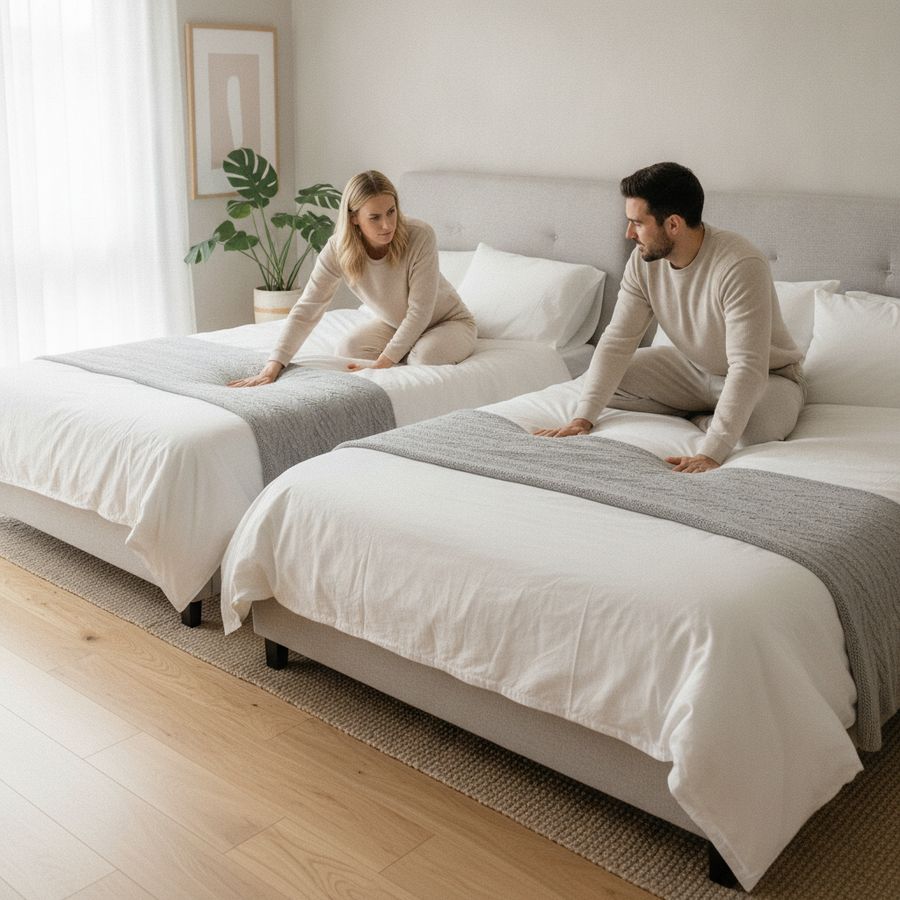
Mattresses are usually described as soft, medium, or firm, but those labels can feel vague until you know what they mean in practice. A soft mattress allows more sinkage and cushioning, especially around the shoulders and hips. This can feel cosy and pressure relieving, though for some people it may not offer enough support through the middle of the body.
A medium mattress sits in the middle and is often considered the most versatile option. It usually combines gentle contouring with steady support, making it a common choice for couples and combination sleepers. Many people find medium firmness comfortable because it prevents the floating feeling of a hard bed while avoiding the deep sink of a very plush one.
A firm mattress feels sturdier on the surface and keeps the body more elevated. This can be useful for sleepers who want stronger support or less give beneath the hips and lower back.
- Soft: more cushioning, deeper sink, strong pressure relief
- Medium: balanced comfort and support
- Firm: flatter feel, less sink, stronger pushback
The key is choosing the feel that keeps your spine aligned without creating pressure where you sleep most heavily.
Best Firmness for Side Sleepers
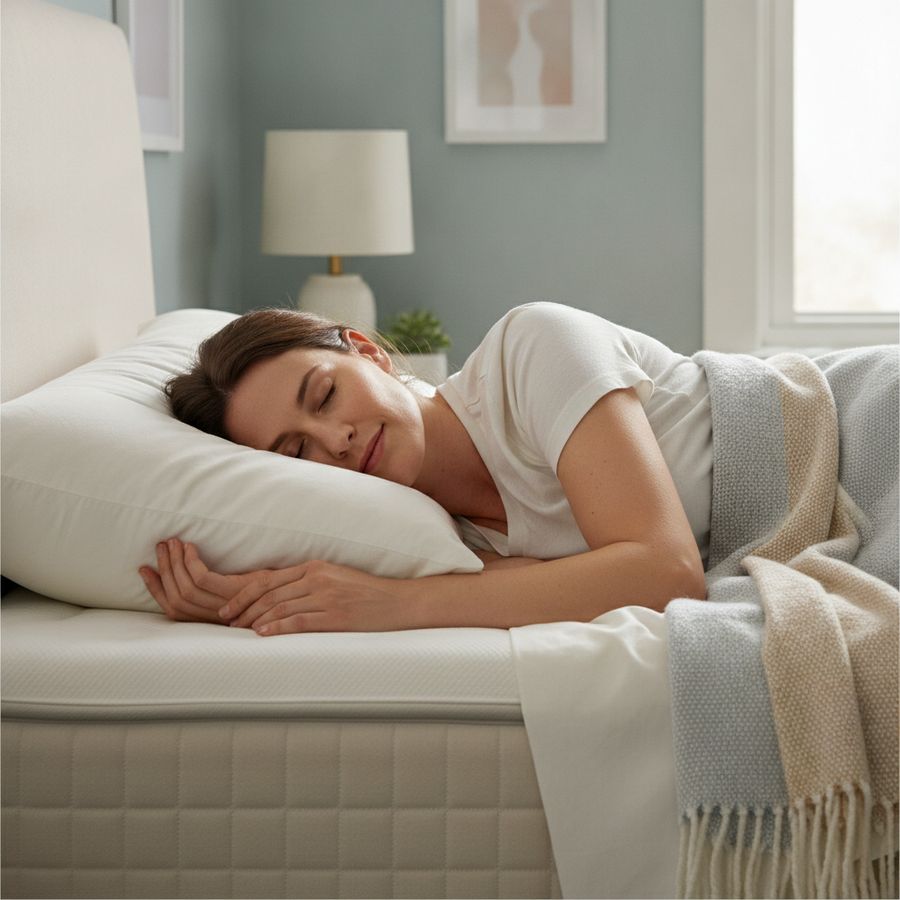
For many people, the best mattress for side sleepers is usually somewhere between soft-medium and medium. Side sleeping places more pressure on the shoulders and hips, so the mattress needs enough give to cushion those areas. If the surface is too firm, these joints can feel compressed, leading to tossing, turning, or waking with stiffness.
A mattress with moderate contouring helps the body settle naturally while keeping the waist and lower back supported. This is especially important because side sleepers need both pressure relief and spinal alignment. Too soft, and the hips may sink too deeply; too firm, and the shoulder may not settle comfortably into the bed.
Side sleepers often do best when the mattress relieves pressure first and supports posture second — both matter equally
If you mainly sleep on one side all night, look for a feel that gently cushions your contact points. If you switch between side and back sleeping, a true medium option may be the safest middle ground. In most cases, the best mattress for side sleepers will feel supportive without feeling rigid or unforgiving.
Best Firmness for Back Sleepers
The best mattress for back sleepers is often a medium-firm to firm feel, because back sleeping generally benefits from even support across the whole body. When you sleep on your back, the mattress should hold your spine in a neutral position while allowing a little contouring around the shoulders and hips. Too much sink can pull the pelvis down and place strain on the lower back.
A quality medium mattress may work well for lighter back sleepers or those who prefer a touch more cushioning. However, many back sleepers prefer the steadier feel of a firm mattress, particularly if they want a flatter sleeping surface and stronger lumbar support. The goal is not hardness for its own sake, but consistent support where the body is heaviest.
Watch for signs that your current mattress is too soft, such as morning backache, a hammocking feeling, or difficulty changing position during the night.
- Medium-firm often suits average-weight back sleepers
- Firm can work well for heavier sleepers or those wanting extra support
- Too soft can reduce spinal alignment
In short, the best mattress for back sleepers is one that supports the lower back without feeling uncomfortably hard.
Body Weight and Mattress Feel
Body weight plays a major role in how mattress firmness feels. The same mattress can seem soft to one person and firm to another because each body presses into the comfort layers differently. Lighter sleepers usually experience less sinkage, which means a mattress may feel firmer than expected. Heavier sleepers tend to compress the layers more deeply, so the bed can feel softer.
This is why mattress shopping should never rely only on firmness labels. A lightweight side sleeper may need a softer surface to get enough cushioning at the shoulders and hips. By contrast, a heavier back or stomach sleeper may need a firmer build to avoid sinking too far through the middle of the bed.
Firmness labels are only a starting point — your body weight changes how the mattress actually performs
As a general guide, lighter bodies often prefer soft to medium feels, average-weight sleepers frequently suit medium to medium-firm, and heavier bodies may benefit from medium-firm to firm support. Of course, sleep position still matters, so weight should be considered alongside how you sleep. The best result comes from balancing pressure relief, support, and ease of movement rather than focusing on firmness alone.
How Mattress Fillings Change Firmness
Mattress fillings have a big impact on how firmness feels in real use. Two mattresses can both be labelled medium, yet feel completely different because of the materials inside. Memory foam, for example, often creates a closer, body-hugging sensation. It can soften under heat and pressure, which some sleepers love for contouring, while others find it less responsive when changing position.
Latex and firmer reflex foams usually feel springier and more buoyant. They can still provide comfort, but often with a quicker response and less of that sinking sensation. Pocket sprung mattresses also vary depending on the number of springs, tension, and comfort layers placed above them. Natural fillings such as wool, cotton, or cashmere can influence breathability and softness as well.
- Memory foam: contouring and pressure relief
- Latex or reflex foam: more bounce and pushback
- Pocket springs: support with varying levels of comfort
- Natural fillings: breathable comfort with a different surface feel
That is why choosing by firmness rating alone can be misleading. The best mattress combines the right firmness with the right materials for your preferred sleep feel.
Testing Comfort When Buying Online
Buying a mattress online can feel challenging because you cannot lie on it before ordering, but there are still smart ways to judge comfort. Start by checking the firmness description, mattress depth, fillings, and the type of sleeper the model is designed for. If you know whether you need the best mattress for side sleepers or the best mattress for back sleepers, your search becomes much more focused.
It also helps to compare your current mattress. Ask yourself what is wrong with it. Does it feel too hard at the shoulders, too soft under the hips, or unsupportive in the lower back? These details tell you far more than a simple preference for soft or firm.
- Read product descriptions carefully
- Look for support and comfort details, not just firmness labels
- Check delivery, returns, and trial information
- Review customer feedback for patterns in comfort comments
For shoppers choosing a bed and mattress together, selecting a retailer with a broad range of comfort levels can make the process easier. A well-described collection helps you match materials, support, and budget more confidently, even when buying from home.
Conclusion
Finding the right mattress firmness comes down to understanding how support and comfort work together. Sleep position, body weight, mattress fillings, and personal preference all influence whether a bed feels too soft, too hard, or just right. A firm mattress can be excellent for some sleepers, while a medium mattress may offer the better balance for others.
If you sleep on your side, pressure relief around the hips and shoulders is usually the priority, which is why the best mattress for side sleepers is often softer than many people expect. If you sleep on your back, more even support is usually needed, making medium-firm or firm models stronger contenders for the best mattress for back sleepers.
Choosing mattress firmness is really about alignment, comfort, and how well the bed supports your body shape night after night
Take time to compare materials, think honestly about how you sleep, and avoid choosing purely by assumption. When the firmness is right, your mattress should help you wake feeling comfortable, supported, and ready for the day ahead.