



Overview
Choosing the right mattress is a crucial decision that can significantly affect your sleep quality, health, and overall wellbeing. One of the key factors to consider when selecting a mattress is the type of filling used inside. Mattress fillings play a vital role in determining the mattress comfort, support, and durability. Broadly, mattress fillings fall into two main categories: natural fibres mattress fillings and synthetic foam mattress fillings. Each type offers unique advantages and considerations, which can influence your sleeping experience and long-term satisfaction.
Natural fibres, often derived from plant or animal sources, have been used for centuries in bedding due to their breathability and eco-friendliness. On the other hand, synthetic foam fillings represent modern innovations that focus on providing adaptive support, pressure relief, and enhanced durability. Understanding the differences between these mattress fillings helps consumers make informed choices tailored to their personal comfort preferences, budget, and lifestyle.
“Mattress comfort and durability largely depend on the choice of mattress filling, making it essential to understand the pros and cons of natural fibres versus synthetic foam.”
In this article, we will explore the different types of mattress fillings available today, their benefits, and how they compare in terms of durability, comfort, and price. Whether you prefer the natural softness and breathability of fibres or the supportive resilience of foam, this guide will help you find the best mattress filling to enhance your sleep quality.
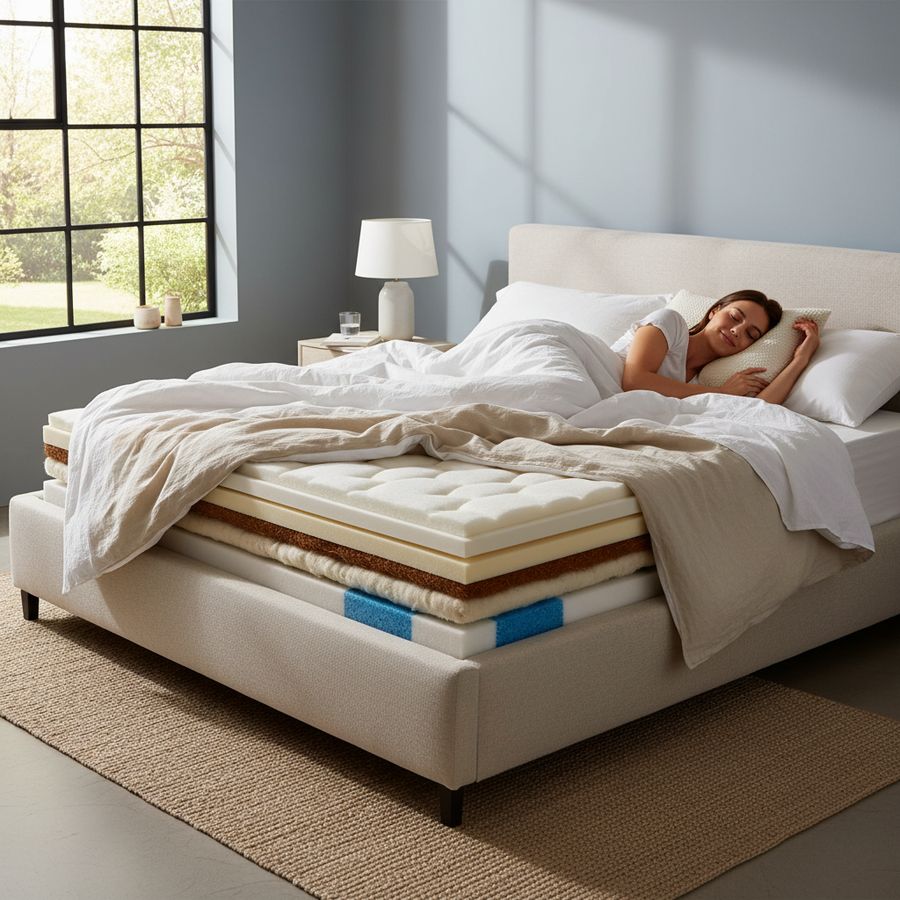
Types of Mattress Fillings
Mattress fillings can vary widely, but they generally fall into two broad categories: natural fibres and synthetic foams. Each category contains several specific materials that offer distinct features and sleeping experiences.
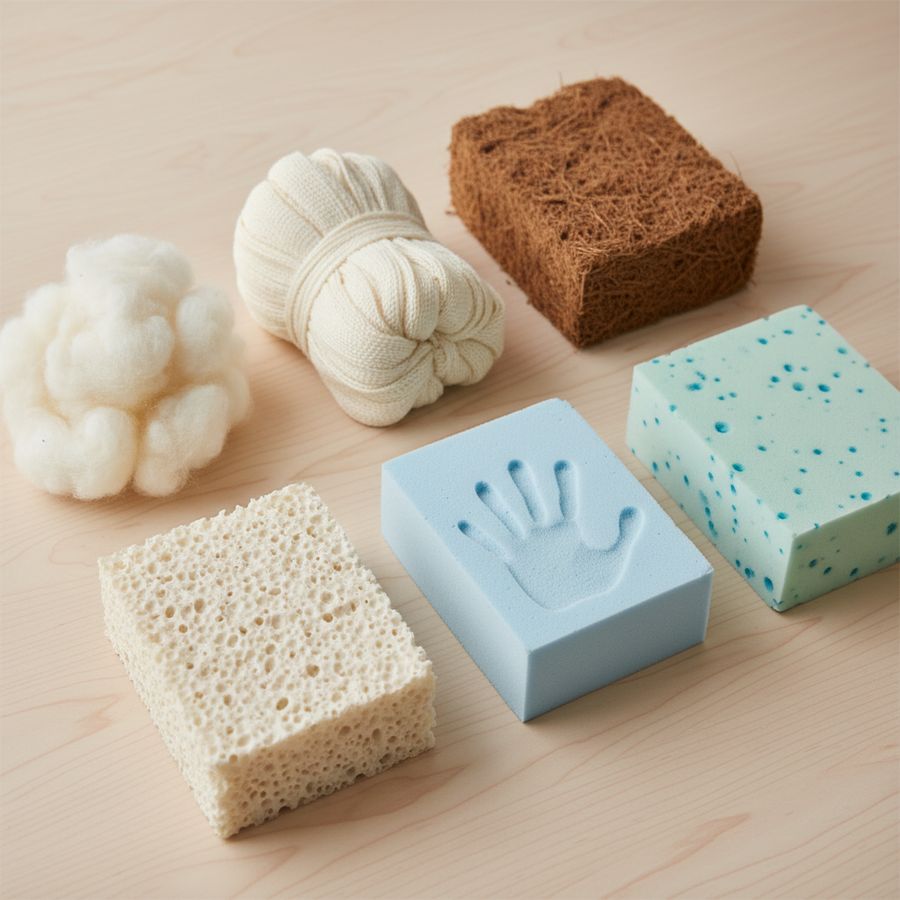
Natural Fibres Mattress Fillings include:
- Wool: Naturally temperature regulating and moisture-wicking, wool provides warmth in winter and coolness in summer.
- Cotton: Soft and breathable, cotton is hypoallergenic and ideal for people with sensitive skin.
- Horsehair: Offers excellent ventilation and resilience, often used in high-end mattresses for added support.
- Coir (coconut fibre): Known for its firmness and breathability, coir is a sustainable and durable option.
- Latex (natural): Derived from rubber trees, natural latex is elastic, supportive, and resistant to dust mites.
Synthetic Foam Mattress Fillings mainly include:
- Memory Foam: Known for its contouring ability, it adapts closely to body shape, providing pressure relief and support.
- Polyurethane Foam (PU Foam): A versatile foam offering various firmness levels, often used as a comfort layer.
- High-Resilience Foam: Durable and responsive, providing good support and bounce.
- Gel-Infused Foam: Enhanced with gel particles to improve cooling and prevent heat retention.
Each filling type has unique properties affecting mattress comfort and mattress durability, so understanding their characteristics is essential when selecting the mattress best suited to your needs.
Benefits of Natural Fibres
Natural fibres have long been appreciated for their unique qualities that enhance mattress comfort and promote a healthy sleep environment. One of the most significant benefits of natural fibres mattress fillings is their breathability. Materials like wool and cotton allow air to circulate freely through the mattress, helping regulate temperature and wick away moisture. This natural ventilation reduces the risk of overheating and sweating during the night, creating a cooler and more comfortable sleeping experience.
Additionally, natural fibres are often hypoallergenic and resistant to dust mites and mould, making them ideal for allergy sufferers or those with respiratory sensitivities. Wool, in particular, has excellent moisture absorption properties, which can help maintain a dry and hygienic mattress environment.
Eco-friendly and sustainable is another key advantage of natural fibres. Being renewable resources, these materials have a lower environmental impact compared to synthetic alternatives. For example, latex derived from rubber trees is biodegradable and harvested sustainably.
Natural fibres also tend to offer a unique, luxurious feel, often described as plush yet supportive. Horsehair or coir fillings provide firmness and natural resilience, contributing to mattress durability while maintaining comfort.
“Choosing a mattress with natural fibres promotes a breathable, hypoallergenic, and environmentally responsible sleep environment.”
However, natural fibres may require more maintenance, such as regular airing, to preserve freshness and prevent moisture buildup. Despite this, many sleepers appreciate the combination of comfort, health benefits, and sustainability that natural fibres provide.
Advantages of Synthetic Foam
Synthetic foam mattresses have revolutionised the bedding industry by offering innovative solutions that enhance mattress comfort and support. One of the standout advantages of synthetic foam mattress fillings is their ability to conform closely to the body’s contours. Memory foam, for instance, evenly distributes body weight by moulding to the sleeper’s shape, which helps relieve pressure points and reduce tossing and turning.
This personalised support is especially beneficial for people with joint pain or back problems, as it promotes proper spinal alignment during sleep. Additionally, synthetic foams such as gel-infused foam incorporate cooling technologies to counteract heat retention, a common issue with traditional memory foams.
Another important advantage is the durability of synthetic foams. High-resilience foam varieties maintain their shape and support over many years, resisting sagging and indentations that can degrade mattress comfort. Synthetic foams also tend to be lighter and easier to handle compared to some natural fibre mattresses, which can facilitate moving and bed maintenance.
Cost-effectiveness is often cited as a benefit of synthetic foam mattresses. They provide excellent support and comfort features at a competitive price, making them accessible to a wide range of consumers without compromising on quality.
“Synthetic foam mattresses deliver adaptive support and lasting durability, making them a popular choice for modern sleepers seeking comfort and value.”
While some sleepers may find foam mattresses less breathable than natural fibres, ongoing advancements in foam technology continue to improve airflow and temperature regulation.
Durability and Comfort Comparison
When comparing mattress durability and comfort between natural fibres and synthetic foam fillings, several key factors come into play. Both filling types offer distinctive advantages, but their longevity and feel can differ depending on the specific materials and mattress construction.
Comfort-wise, natural fibres typically provide a softer, more breathable sleep surface. Fibres like wool and cotton excel in moisture-wicking and temperature regulation, which can lead to a cooler, fresher sleep. However, natural fibre mattresses sometimes offer less contouring support compared to synthetic foam, which may be a consideration for sleepers needing targeted pressure relief.
Synthetic foam mattresses, particularly memory foam and latex, excel in providing body-contouring comfort and spinal alignment. They generally offer superior pressure point relief and reduce motion transfer, which is beneficial for couples sharing a bed. However, some foam mattresses may retain heat unless infused with cooling gels or ventilated designs.
Durability is another important comparison point. Natural fibres, while breathable and comfortable, can be susceptible to compression and moisture damage over time if not properly maintained. Wool and coir fillings generally offer good longevity, but natural latex is notably durable and resilient.
Synthetic foams, especially high-resilience foam and latex alternatives, are engineered to withstand extended use without significant sagging or loss of support. Foam mattresses often come with longer warranties, reflecting their durability and consistent performance.
“Selecting between natural fibres and synthetic foam requires balancing breathable comfort with adaptive support and durability demands.”
Ultimately, the best mattress filling depends on your individual comfort preferences, sleeping style, and maintenance willingness.
Price Differences
Price is a significant factor influencing the choice between natural fibres mattress fillings and synthetic foam mattress options. Generally, natural fibre mattresses tend to be priced higher due to the cost of sourcing and processing organic materials and the craftsmanship involved in their construction.
For example, mattresses that use premium wool, organic cotton, or natural latex often command a premium price. These materials are renewable and environmentally friendly, which adds value but also increases production costs. Additionally, the specialised handling and care needed for natural fibres can contribute to a higher retail price.
In contrast, synthetic foam mattresses are typically more affordable. Manufacturing synthetic foams is generally less resource-intensive, and mass production techniques have helped bring down costs. This makes synthetic foam mattresses appealing to budget-conscious consumers looking for quality mattress comfort without a high price tag.
It’s important to consider that while synthetic foam mattresses may be less expensive upfront, the longevity and warranty terms should also be factored in to assess overall value.
“Natural fibre mattresses often come with a higher initial investment, whereas synthetic foam options provide budget-friendly comfort and durability.”
By understanding these price differences, consumers can better align their budget with their preferences for mattress comfort and durability.
Conclusion
Understanding the differences between natural fibres mattress fillings and synthetic foam mattress fillings is essential for making an informed mattress purchase that enhances your sleep quality. Both filling types offer unique benefits: natural fibres excel in breathability, sustainability, and hypoallergenic properties, while synthetic foams provide adaptive support, pressure relief, and durability.
Choosing the right mattress filling depends on your personal comfort preferences, health considerations, and budget. Natural fibres are ideal for those seeking a cooler, eco-friendly mattress with a plush feel, whereas synthetic foams suit sleepers who prioritize contouring support and cost-effectiveness.
Investing in a mattress with the appropriate filling can significantly boost your mattress comfort and mattress durability, ensuring restful nights for years to come. Harmony Beds, manufacturing quality beds and mattresses in Yorkshire, offers a wide range of options crafted to meet diverse needs and preferences. Explore their factory-direct mattresses to find the perfect balance between comfort, durability, and value for your bedroom.