


Understanding the Key Differences Between Storage Beds and Non-Storage Beds
When choosing a new bed, one of the most important decisions is whether to opt for a storage bed or a traditional non-storage bed. Each type offers distinct advantages, catering to different needs, preferences, and room layouts. Understanding these differences can help you make an informed choice that maximizes value and functionality in your bedroom.
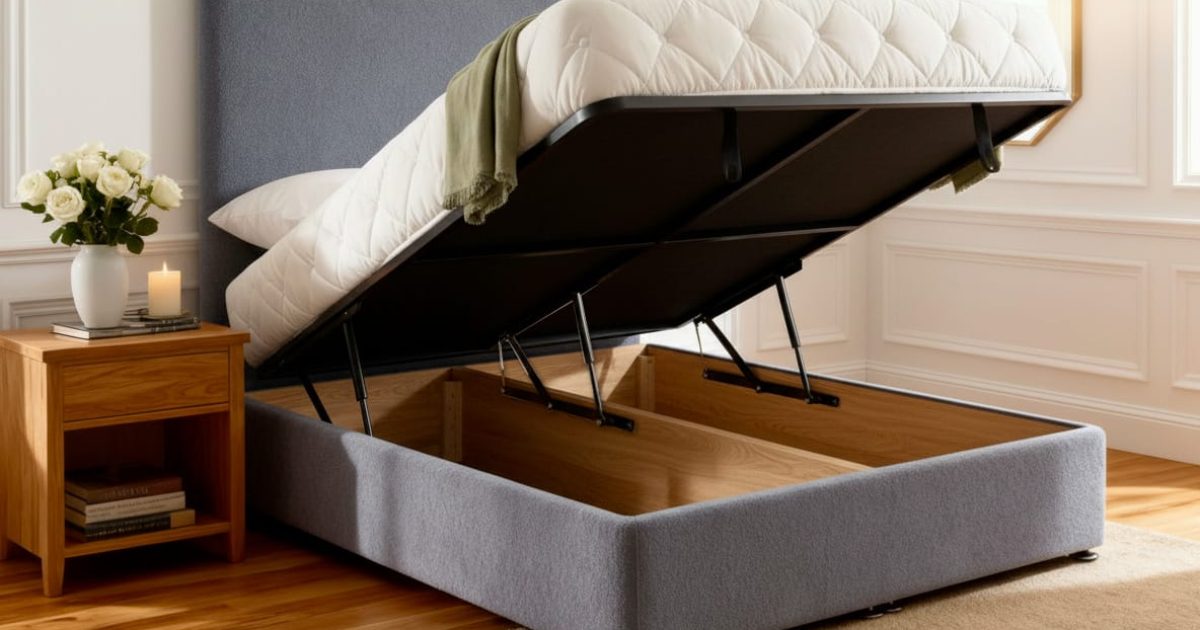
Storage beds, often referred to as ottoman beds or divan storage beds, are designed with built-in compartments that allow you to store belongings underneath the mattress. This innovative design maximizes bedroom space by offering hidden storage for linens, seasonal clothing, shoes, or other items that might otherwise clutter your room. The storage component is usually accessed by lifting the mattress platform, which is supported by gas-lift hydraulics for easy operation.
In contrast, non-storage beds focus purely on providing a comfortable sleeping surface without additional storage features. These beds come in a variety of frames, such as upholstered, wooden, or metal, and often emphasize style, design, and traditional aesthetics. Non-storage beds typically require additional furniture like wardrobes, dressers, or chests of drawers to accommodate storage needs.
“Choosing between a storage bed and a non-storage bed depends on your space requirements, lifestyle, and personal preferences. Storage beds are ideal for those seeking to maximize space efficiency without compromising on comfort.”
Key differences to consider include:
- Functionality: Storage beds offer dual functionality—sleeping and storage—while non-storage beds focus solely on sleeping comfort.
- Space Utilization: Storage beds save valuable floor space by eliminating the need for extra storage furniture.
- Design Variety: Non-storage beds typically provide greater diversity in styles, from minimalist platforms to luxurious upholstered frames.
- Cost: Storage beds often carry a higher price tag because of their additional features and mechanisms.
- Maintenance and Durability: Non-storage beds may require less maintenance as they have fewer moving parts.
Ultimately, understanding these fundamental differences empowers you to select a bed that best fits your bedroom layout and lifestyle. For those living in smaller homes or apartments, storage beds provide an excellent solution to reduce clutter and optimise space without sacrificing comfort or style.
Evaluating the Value: Which Bed Offers Better Space Efficiency and Practicality?
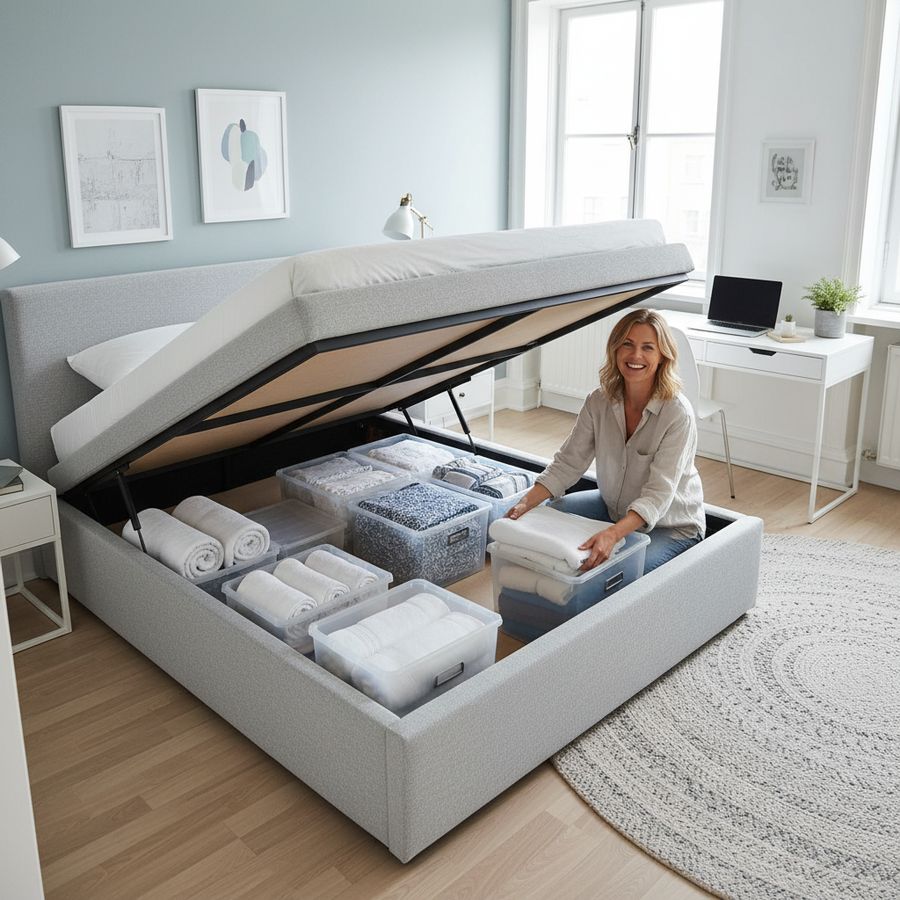
Space efficiency is a critical factor when deciding between storage and non-storage beds, especially in modern living environments where every square foot counts. Storage beds, such as ottoman storage beds and divan styles, are specifically engineered to optimize the available space by offering hidden compartments beneath the mattress. This feature provides a practical solution for storing bulky items that are not used daily, keeping the bedroom tidy and organised.
By contrast, traditional non-storage beds require separate storage units, which consume additional floor space and may lead to a cramped or cluttered room layout. This can impact the overall feel and usability of a bedroom, particularly in smaller properties or shared living spaces.
Here are some practical benefits of storage beds regarding space efficiency:
- Maximised Storage Capacity: The under-bed compartments can hold bedding, clothes, toys, or other household items, reducing the need for extra furniture.
- Cleaner Aesthetic: With storage out of sight, the bedroom appears less cluttered, promoting a calm and restful environment.
- Flexible Use: Storage beds adapt well to various room sizes and layouts, making them ideal for urban apartments or guest rooms.
“Storage beds not only save space but also enhance room functionality by integrating storage seamlessly into your sleeping area.”
However, it’s essential to consider that storage beds can be heavier and more complex to move due to their built-in compartments and hydraulic mechanisms. Non-storage beds are generally lighter and easier to reposition, which might suit those who frequently redecorate or move home.
From a value perspective, storage beds deliver excellent practicality by combining two crucial bedroom functions in one unit, often translating into long-term savings on furniture purchases and improved room organisation.
Cost Comparison and Long-Term Investment Considerations
When comparing storage beds vs non-storage beds, cost is often a significant deciding factor. Storage beds tend to have higher upfront costs due to their added features, such as hydraulic lift systems, reinforced frames, and quality upholstery that can withstand frequent handling. However, these initial expenses can be offset by the value they add through increased storage capacity and reducing the need for additional furniture.
Non-storage beds generally have a lower purchase price but might necessitate investing in separate storage solutions such as wardrobes, chests of drawers, or under-bed storage boxes. These extra purchases can accumulate, making the overall cost comparable or even higher over time.
Additional factors to consider regarding cost and investment include:
- Durability: High-quality storage beds from reputable manufacturers, like those made in Yorkshire factories, are designed to last many years, providing excellent value for money.
- Maintenance Costs: Storage beds require occasional maintenance for the lift mechanism, while non-storage beds generally have fewer moving parts to service.
- Resale Value: Well-maintained storage beds can retain value better due to their multifunctional appeal.
“Investing in a storage bed can be a cost-effective solution in the long run, especially when factoring in the reduction of additional storage furniture.”
Harmony Beds, for example, offers a wide range of affordable and high-quality storage beds, such as the bestselling Luna Ottoman Storage Bed and the Kings Ottoman Divan Bed with Storage, which combine style, comfort, and storage efficiency at factory-direct prices. This approach helps consumers access luxury features without the luxury price tag.
In conclusion, while storage beds may initially appear more expensive, their long-term practicality, durability, and space-saving benefits often provide better overall value compared to non-storage beds paired with separate storage furniture.
Comfort and Style: How Storage Beds and Non-Storage Beds Compare
Beyond functionality and cost, comfort and style are essential factors in choosing between storage and non-storage beds. Both types come in a variety of designs, fabrics, and finishes to suit different interior decor tastes and comfort preferences.
Storage beds, such as ottoman beds, often feature upholstered frames with fabric options ranging from classic bouclé to luxurious velvet in over 40 colours, allowing you to customise your bed to your bedroom’s aesthetic. Their sturdy construction ensures a stable sleeping surface without compromising comfort.
Non-storage beds offer an even broader range of styles, including platform beds, wooden frames, and designer upholstered beds like the Chesterfield or Wingback styles. These beds often prioritise visual appeal and design innovation, making them a focal point of the bedroom.
“Your bed should be as comfortable as it is stylish; thankfully, both storage and non-storage beds offer options that blend form with function.”
Comfort-wise, the mattress choice often plays a bigger role than the bed frame itself. Whether paired with a storage or non-storage bed, selecting a quality mattress tailored to your sleeping style is crucial. Many manufacturers, including Harmony Beds, offer mattress sets with their beds to ensure optimal comfort and support.
When considering style, storage beds typically lean towards a modern, streamlined look due to their functional design, whereas non-storage beds can range from contemporary to traditional, giving you more decorative flexibility.
Ultimately, both bed types can be customised to fit personal style preferences and comfort needs, making it easy to find an option that complements your bedroom while meeting practical requirements.
Maintenance and Longevity: What to Expect Over Time
Maintenance is an often overlooked but important aspect when choosing between storage and non-storage beds. Storage beds, equipped with hydraulic lift systems and hinges, require occasional upkeep to ensure smooth operation and prevent mechanical wear. Regular cleaning of the upholstery and checking the integrity of the storage compartments will extend the bed’s lifespan.
Non-storage beds generally have simpler constructions, which translates into fewer maintenance needs. Without moving parts, these beds may be easier to clean and maintain, making them attractive for those seeking low-maintenance furniture.
Consider these maintenance tips for both bed types:
- Inspect and lubricate hydraulic lifts on storage beds annually to maintain smooth functionality.
- Use upholstery cleaners and protectors suitable for your bed fabric to preserve appearance.
- Ensure the bed frame is properly assembled and tightened periodically to avoid squeaks and instability.
- Rotate or flip the mattress regularly to promote even wear and enhance longevity.
“Proper maintenance can significantly extend the life of your bed, regardless of the type you choose.”
Choosing a bed from reputable manufacturers like Harmony Beds, who produce durable beds in their Yorkshire factory with quality materials and craftsmanship, ensures you invest in a product designed for longevity. Additionally, free nationwide delivery and support make upkeep and service more accessible.
In summary, while storage beds might require slightly more attention due to their mechanical elements, both storage and non-storage beds can offer many years of reliable service when cared for properly.