


Overview
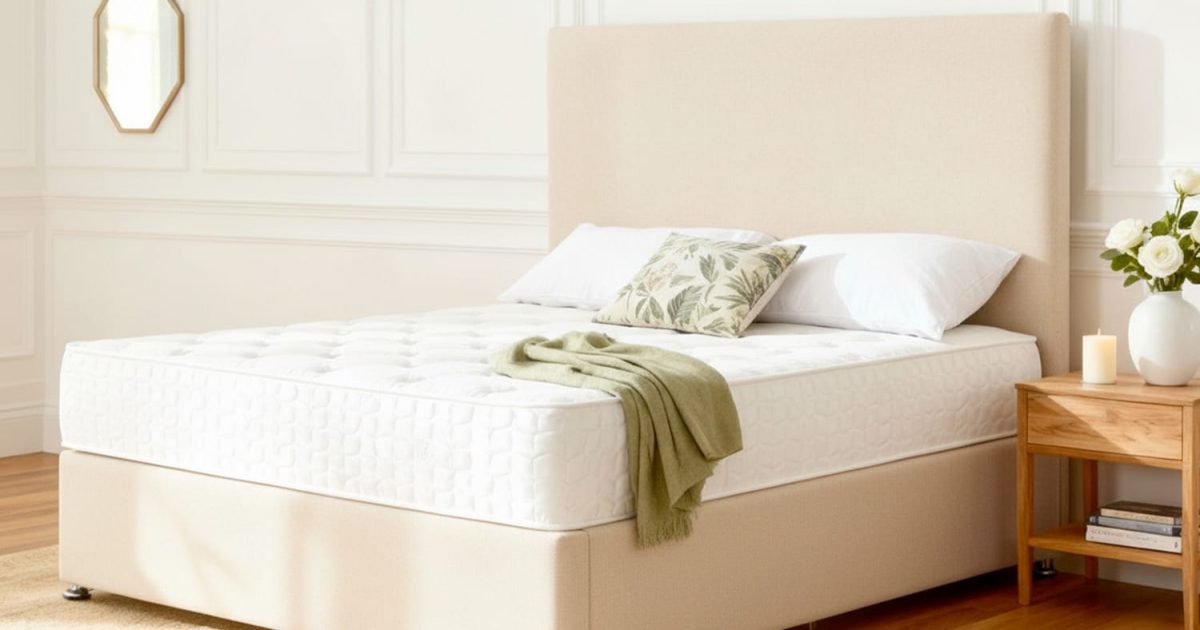
Choosing the right mattress filling is essential for a comfortable and restful night’s sleep. Among the myriad options available, the debate between natural mattress fillings and synthetic mattress foam remains a key consideration for many consumers. Each type offers unique benefits and drawbacks, influencing comfort, durability, price, and health factors.
Natural fillings typically include materials such as wool, cotton, and latex, prized for their breathability, sustainability, and hypoallergenic properties. On the other hand, synthetic mattress foam fillings like memory foam and polyfoam have surged in popularity due to their ability to conform to the body, providing tailored support and pressure relief.
In the UK mattress market, particularly with products like the latex mattress UK and various memory foam mattresses, understanding these differences can help shoppers make informed decisions. This article explores the characteristics of these mattress fillings, comparing their comfort, durability, allergenic potential, and price to determine which option truly offers the best value.
“The choice between natural and synthetic mattress fillings not only impacts sleep quality but also long-term health and investment in your well-being.”
Natural Mattress Fillings: Wool, Cotton and Latex
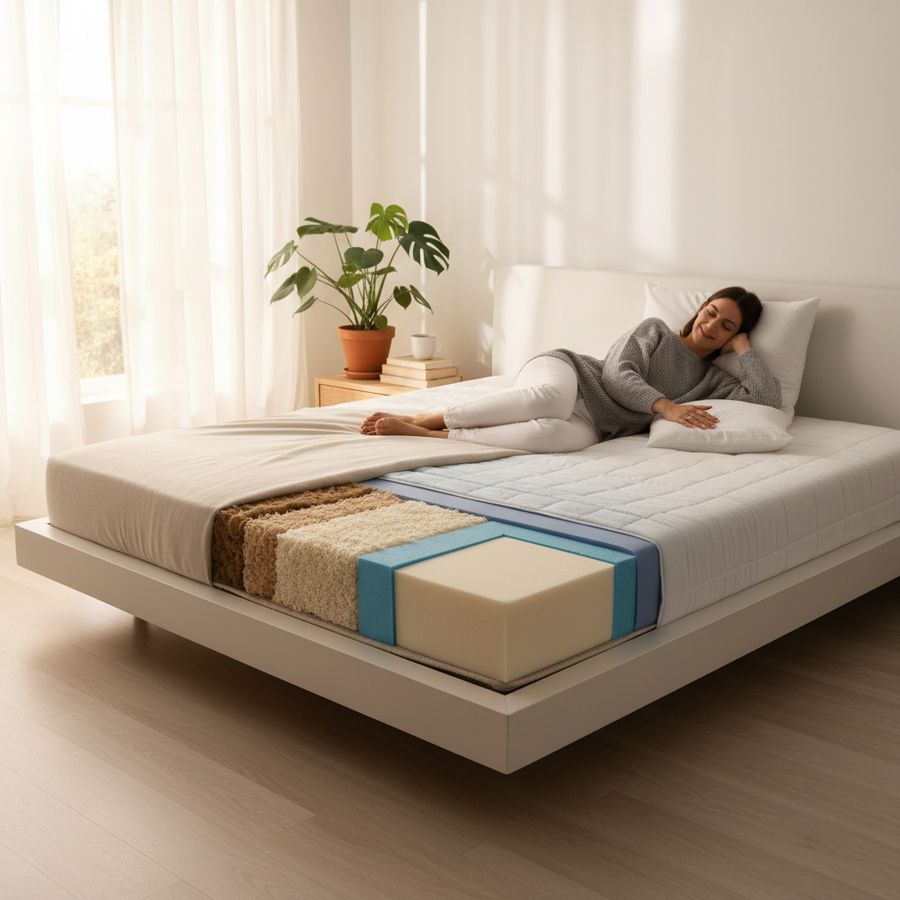
Natural mattress fillings have long been valued for their organic properties and ability to regulate temperature and moisture. Wool, cotton, and natural latex are among the most common natural materials used in mattress construction.
Wool is a highly breathable, moisture-wicking fiber that helps maintain a comfortable sleeping environment by drawing away perspiration. It also offers excellent insulation, making it ideal for colder climates. Wool’s natural resilience contributes to mattress durability, and it is naturally resistant to dust mites and mould, promoting a healthier sleep surface.
Cotton provides a soft, hypoallergenic, and breathable filling. It is comfortable and widely accessible, though less durable than wool or latex. Cotton mattress fillings excel in allowing airflow, which helps in temperature regulation, but they can compress over time and may require regular fluffing to maintain loft.
Natural latex, derived from rubber tree sap, is a premium mattress filling known for its responsive support and durability. It offers an excellent balance of softness and firmness, contouring to the sleeper’s body while maintaining a buoyant feel. Latex mattresses are popular in the UK mattress market for their eco-friendliness and hypoallergenic qualities. They resist dust mites, mould, and bacteria naturally, making them suitable for allergy sufferers.
In summary, natural mattress fillings stand out for their breathability, sustainable sourcing, and health benefits. They tend to offer a cooler sleep experience and reduce exposure to synthetic chemicals. However, they often come with a higher price tag, reflecting the cost of raw materials and manufacturing processes.
Synthetic Foam Fillings: Memory Foam and Polyfoam
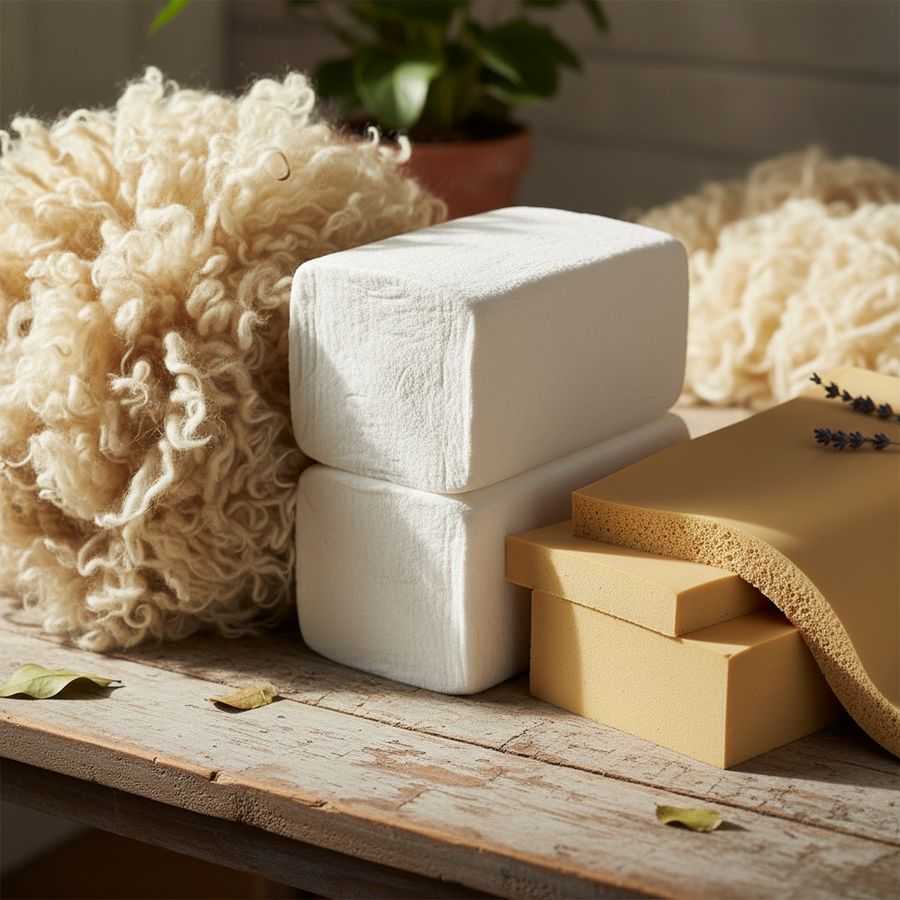
Synthetic mattress foam fillings, especially memory foam and polyfoam, have transformed the mattress industry with their ability to provide tailored comfort and spinal alignment. These foams are engineered materials designed to offer specific performance benefits.
Memory foam</strong is renowned for its viscoelastic properties, which allow it to mould precisely to the sleeper’s body shape. This adaptive support helps alleviate pressure points and can reduce tossing and turning. Memory foam mattresses are widely available in the UK, often marketed as memory foam mattresses that promise superior comfort and pain relief.
However, traditional memory foam can retain heat, sometimes causing discomfort for hot sleepers, though newer gel-infused or open-cell variants address this issue by improving airflow. Additionally, memory foam tends to have a slower response time, meaning it takes a moment to regain shape after compression.
Polyfoam or polyurethane foam is a more affordable synthetic option. It is lighter and less dense compared to memory foam, offering a firmer and more buoyant feel. Polyfoam is commonly used as a support layer beneath memory foam or other comfort layers in mattresses. While it is less contouring, it adds resilience and durability to mattress construction.
Both synthetic foams are known for their affordability and widespread availability. They are generally easier to produce at scale, which translates into lower retail prices. Nevertheless, concerns about off-gassing and chemical sensitivities persist for some consumers, making it important to consider mattress certifications and manufacturing standards.
Comfort and Support: Which Filling Suits Sleepers
The choice between natural mattress fillings and synthetic foam fillings largely hinges on individual comfort preferences and support needs. Understanding how each material interacts with different sleeping styles is key to selecting the right mattress.
Natural mattress fillings such as latex provide a responsive, slightly buoyant feel that gently contours to the body while maintaining support. This makes latex mattresses ideal for combination sleepers who change positions frequently or those who prefer a resilient surface that encourages easy movement. Wool and cotton fillings add softness and enhance breathability without compromising support.
In contrast, memory foam mattresses offer deep contouring support, which is excellent for side sleepers needing pressure relief around shoulders and hips. The foam’s ability to cradle the body can also help reduce aches and pains by promoting spinal alignment. However, some back or stomach sleepers may find memory foam too enveloping, preferring a firmer or more responsive surface.
Polyfoam layers contribute to overall mattress support and can add firmness or cushioning depending on density. They are often combined with memory foam to create balanced comfort. People who prefer a firmer feel or have a heavier body weight may benefit from mattresses with higher-density polyfoam bases.
“Selecting the right mattress filling is about matching your unique sleeping posture, pressure relief needs, and temperature preferences.”
Ultimately, the best filling depends on personal comfort goals. Trying out mattresses with different fillings, such as a latex mattress UK or memory foam mattress, can help sleepers identify which material suits their sleep style and support requirements.
Durability and Lifespan: Natural Vs Synthetic Materials
Durability is a crucial factor when investing in a mattress, as it impacts long-term comfort and value. Both natural and synthetic mattress fillings offer varying lifespans based on material quality and usage.
Natural latex mattresses are among the most durable, often lasting 10 to 15 years or more without significant sagging or loss of support. Latex’s inherent elasticity and resilience make it resistant to permanent deformation, which preserves comfort over time. Wool and cotton fillings, while less durable than latex, can last several years with proper care, though they may compress or flatten earlier.
Memory foam mattresses</strong typically have a lifespan of around 7 to 10 years. High-density memory foam retains its shape longer and offers better durability, while lower-density versions may develop indentations sooner. Polyfoam layers tend to degrade faster, especially if they are low density, leading to reduced support and comfort.
Environmental factors such as humidity, temperature, and mattress maintenance also influence durability. Natural materials generally breathe better, which helps prevent moisture buildup and microbial growth that can degrade foam. Synthetic foams may be more susceptible to breakdown if exposed to excessive heat or humidity.
In conclusion, if longevity is a priority, investing in natural latex or high-quality memory foam mattresses may offer the best balance between durability and comfort.
Hypoallergenic Claims and Breathability Explained
Many consumers seek mattresses that minimize allergens and promote healthy airflow. Both natural and synthetic mattress fillings make various claims regarding hypoallergenic properties and breathability.
Natural mattress fillings such as wool and latex are naturally resistant to dust mites, mould, and bacteria, making them excellent options for allergy sufferers. Wool’s moisture-wicking ability helps maintain a dry sleeping environment, while latex’s dense structure inhibits allergen accumulation. Cotton, while breathable, may attract dust mites if not properly maintained.
Memory foam</strong has a dense composition that blocks dust mites but can trap heat and moisture, which might exacerbate allergies or discomfort for some sleepers. Modern memory foam mattresses often include gel infusions or open-cell designs to enhance breathability and reduce heat retention.
Polyfoam generally offers less breathability than natural fibers and may retain body heat. However, mattress manufacturers often combine foam with breathable covers or ventilation channels to improve airflow.
“For those with allergies or sensitivities, natural mattress fillings provide an inherently healthier sleep environment without relying heavily on chemical treatments.”
Ensuring your mattress cover is hypoallergenic and washable can further enhance mattress hygiene regardless of filling type.
Price Comparison: What You Pay for Each
Price is often a decisive factor when choosing between natural and synthetic mattress fillings. The cost reflects raw material expenses, manufacturing complexity, and product lifespan.
Natural mattress fillings such as latex and wool-based mattresses generally command higher prices due to sustainable sourcing and labour-intensive processing. A latex mattress UK typically costs more upfront but can offer superior durability and comfort, potentially saving money over time through reduced replacement frequency.
Synthetic foam mattresses</strong, including memory foam and polyfoam, are usually more affordable and widely available. Memory foam mattresses provide advanced pressure relief at a competitive price, making them attractive to budget-conscious buyers seeking comfort. Polyfoam mattresses often represent the most economical choice but may sacrifice longevity and support.
It’s important to consider the total cost of ownership, including warranty coverage and expected mattress lifespan. Investing a bit more in natural mattress fillings may yield greater satisfaction and value in the long run.
Harmony Beds offers a variety of mattresses crafted in the UK to suit different budgets and preferences, ensuring quality at real factory outlet prices with free delivery nationwide.
Conclusion
Deciding between natural mattress fillings and synthetic mattress foam involves weighing comfort, support, durability, health considerations, and price. Natural fillings like wool, cotton, and latex excel in breathability, hypoallergenic properties, and longevity, making them ideal for those prioritising sustainability and natural comfort.
Synthetic foams such as memory foam and polyfoam offer affordable, contouring support and have revolutionised mattress comfort with tailored pressure relief. However, they may come with trade-offs in heat retention and shorter lifespan.
Ultimately, the best mattress filling is the one that aligns with your personal sleep needs, health considerations, and budget. Whether opting for a premium latex mattress UK or a popular memory foam mattress, understanding the unique attributes of each filling helps ensure a restful sleep experience that’s worth the price.
“Invest in your sleep wisely—choosing the right mattress filling is an investment in your health, comfort, and quality of life.”