



Overview
Choosing the right mattress is essential for quality sleep, comfort, and long-term health. Among the many options available, the comparison between natural fibre mattresses and synthetic foam mattresses is a common consideration for buyers. Understanding the distinct characteristics of these mattress fillings can help you make an informed decision that suits your personal comfort preferences and durability expectations.
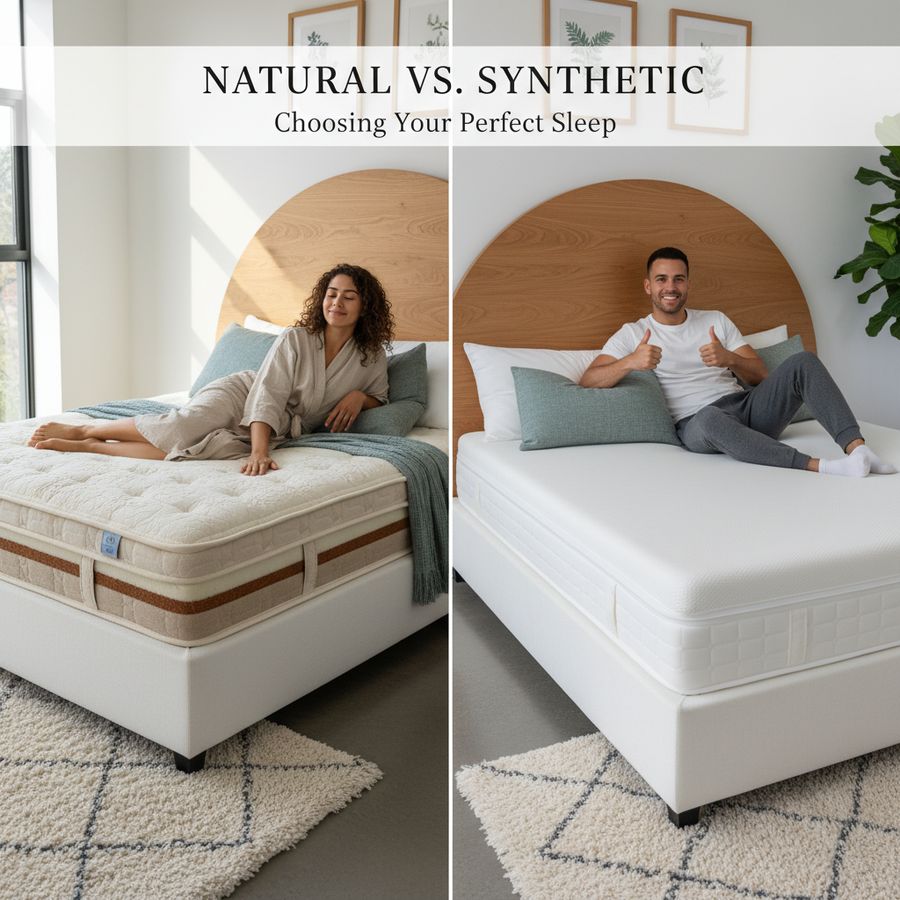
Natural fibre mattresses are crafted from materials sourced directly from nature, such as wool, cotton, coir, and latex derived from rubber trees. These materials are often praised for their breathability, moisture-wicking properties, and eco-friendliness. On the other hand, synthetic foam mattresses primarily use materials like memory foam, polyurethane foam, and other engineered foams designed to provide targeted support and pressure relief.
When comparing natural fibre mattresses versus synthetic foam mattresses, the key factors to consider include mattress comfort comparison, mattress durability, maintenance requirements, and environmental impact. While synthetic foam mattresses often offer a plush, contouring feel, natural fibre mattresses provide a more breathable and hypoallergenic sleeping surface that appeals to eco-conscious consumers.
“Mattress comfort comparison is not just about softness or firmness; it involves understanding how different mattress fillings respond to body weight, temperature, and sleeping position.”
In this comprehensive guide, we will explore the types of mattress fillings, benefits, and drawbacks of each mattress type, durability considerations, and essential tips to help you choose the ideal mattress based on your comfort needs.
Types of Mattress Fillings Explained
Mattress fillings come in a variety of materials, each offering unique features to enhance sleep comfort and support. Understanding these types is crucial to appreciate the differences between natural fibre mattresses and synthetic foam mattresses.
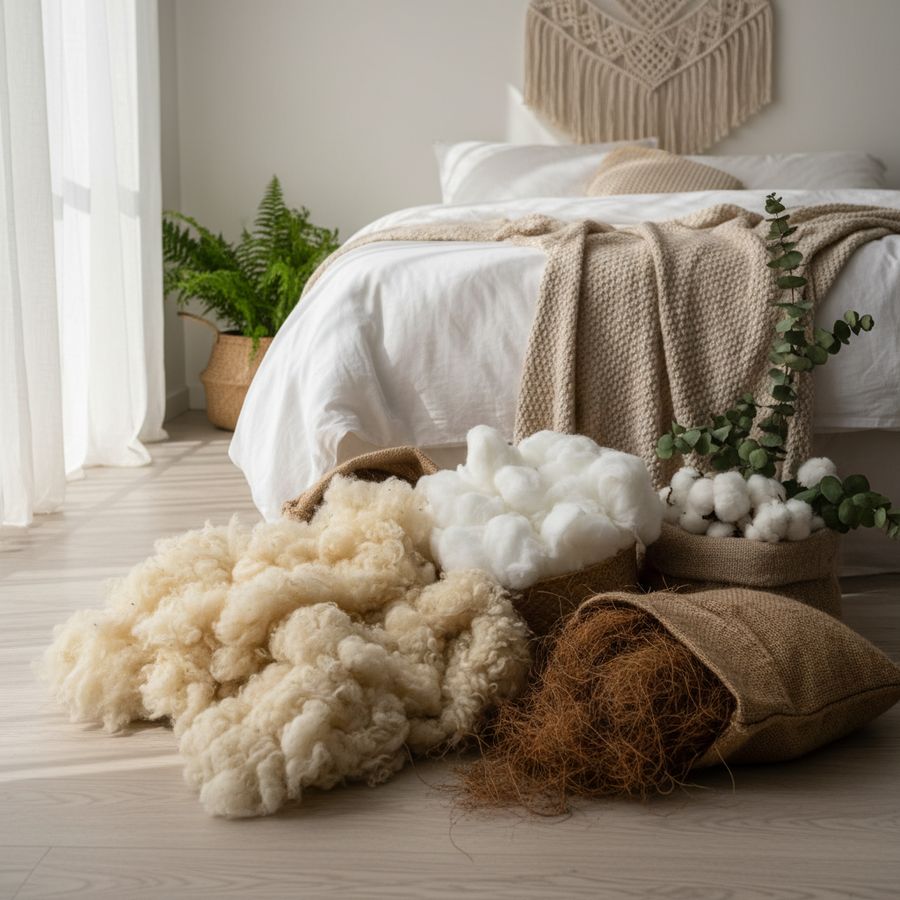
Natural fibre mattress fillings often include:
- Wool: Known for its excellent temperature regulation and moisture absorption, wool keeps sleepers warm in winter and cool in summer.
- Coir (coconut fibre): Durable and firm, coir provides natural ventilation and is often used in combination with latex or wool for added comfort.
- Latex: Derived from rubber tree sap, natural latex offers responsive support and is resistant to dust mites and mould.
- Cotton: Soft and breathable, cotton is a hypoallergenic option that enhances mattress comfort and freshness.
In contrast, synthetic foam mattress fillings primarily include:
- Memory foam: Renowned for contouring to the body’s shape, memory foam alleviates pressure points and provides excellent motion isolation.
- Polyurethane foam: A versatile foam that can be manufactured in various densities to balance support and softness.
- Gel-infused foam: Incorporates gel particles to improve cooling and reduce heat retention typical in traditional foams.
Each type of filling affects the mattress’s feel, support level, and lifespan. For example, natural fibre mattresses excel in breathability and sustainability, while synthetic foam mattresses often provide superior contouring and support for specific body zones.
Benefits of Natural Fibre Mattresses
Natural fibre mattresses offer numerous advantages, particularly for those seeking eco-friendly, breathable, and allergen-resistant sleep surfaces. These mattresses are typically made using sustainable materials, aligning with environmentally conscious purchasing decisions.
One of the most notable benefits of natural fibre mattresses is their exceptional breathability and temperature regulation. Materials like wool and coir allow for continuous air circulation, preventing heat buildup and keeping you comfortably cool throughout the night. This natural ventilation helps reduce sweating and moisture accumulation, which can be a problem in less breathable foam mattresses.
Additionally, natural fibres tend to be hypoallergenic and resistant to dust mites, mould, and mildew. For allergy sufferers, this can mean a healthier sleeping environment and less irritation caused by common allergens. Wool, for instance, has natural antimicrobial properties that inhibit the growth of bacteria and fungi.
Maintenance of natural fibre mattresses is also relatively straightforward. Many are designed to be aired regularly, and some feature removable, washable covers to maintain freshness and hygiene. These mattresses often have a firmer feel, providing solid support that can benefit spinal alignment.
“Natural fibre mattresses combine comfort with sustainability, offering a sleep experience that is both healthy and environmentally responsible.”
Moreover, these mattresses can last for many years when cared for properly, maintaining their structural integrity and comfort without the chemical off-gassing sometimes associated with synthetic foams.
Advantages of Synthetic Foam Mattresses
Synthetic foam mattresses have gained popularity due to their ability to deliver tailored comfort and enhanced support through innovative materials like memory foam and gel-infused foams. These mattresses are engineered to respond to body heat and pressure, providing a cushioned and contouring feel that adapts to various sleeping positions.
A key advantage of synthetic foam mattresses is their superior pressure relief capability. Memory foam, in particular, evenly distributes body weight, reducing stress on joints and alleviating pain points in areas such as hips, shoulders, and knees. This makes them an excellent choice for people with chronic pain or those recovering from injuries.
Another benefit lies in their motion isolation properties. Foam mattresses absorb movement, making them ideal for couples where one partner moves frequently during sleep. This reduces disturbances and promotes uninterrupted rest.
Modern synthetic foam mattresses also come with enhanced cooling technologies. Gel-infused and open-cell foams help combat the heat retention traditionally associated with memory foam by improving airflow and dissipating heat more efficiently.
Thanks to advances in manufacturing, synthetic foam mattresses are available in a wide range of firmness levels and thicknesses, allowing consumers to select a mattress that precisely meets their comfort preferences. They are also generally lighter and easier to handle than some natural fibre options.
“Synthetic foam mattresses offer a blend of adaptive comfort and modern technology, catering to diverse sleep needs and preferences.”
While synthetic foams may occasionally emit a slight chemical odor initially, reputable manufacturers now focus on low-VOC and CertiPUR-US certified foams to ensure safety and reduce off-gassing.
Durability and Maintenance Tips
When evaluating mattress durability, understanding how natural fibre mattresses and synthetic foam mattresses hold up over time is crucial. Mattress durability significantly impacts your investment, sleep quality, and overall satisfaction.
Natural fibre mattresses are generally durable when properly maintained, with some lasting 8 to 10 years or more. Their natural resilience allows them to retain shape and support if kept dry and aired regularly to prevent moisture buildup. However, they can be susceptible to compression or flattening if used without adequate support or in humid environments.
Maintenance tips for natural fibre mattresses include:
- Regularly airing the mattress to promote breathability and prevent dampness.
- Using a mattress protector to shield against spills and stains.
- Rotating the mattress periodically to ensure even wear.
Synthetic foam mattresses, particularly memory foam, tend to have a lifespan of around 7 to 10 years. High-density foams are more durable and resistant to sagging, while lower-density foams may compress faster. To maximise mattress durability:
- Use a supportive base or bed frame to prevent premature wear.
- Rotate or flip the mattress if the design allows.
- Keep the mattress clean and protected with covers.
Both mattress types benefit from regular cleaning and protection against moisture and dust. Investing in high-quality mattress protectors and ensuring proper support will extend the life and maintain comfort levels over time.
How to Choose Based on Comfort Needs
Choosing between a natural fibre mattress and a synthetic foam mattress largely depends on your personal comfort needs, sleeping habits, and any specific health considerations.
If you prefer a mattress that is breathable, firm, and eco-friendly, with natural materials and minimal chemical treatment, a natural fibre mattress is an excellent choice. These mattresses suit those who sleep hot, suffer from allergies, or prioritise sustainable products.
Conversely, if you require targeted pressure relief, contouring support, and motion isolation, a synthetic foam mattress will provide a more customised sleep experience. This type is ideal for side sleepers, individuals with joint or back pain, and couples who benefit from reduced motion transfer.
Consider the following when deciding:
- Sleeping position: Side sleepers often benefit from the cushioning of foam, while back sleepers may prefer the firmer support of natural fibres.
- Temperature preferences: Natural fibre mattresses excel in temperature regulation, whereas synthetic foams with cooling gel are suitable for warmer sleepers.
- Allergy sensitivities: Natural fibres are typically more hypoallergenic and breathable.
- Budget considerations: Synthetic foam mattresses offer various price points, while natural fibre mattresses may have higher initial costs but longer-term benefits.
“The best mattress comfort comparison always starts with understanding your unique sleep requirements and matching them to the mattress fillings that will support your health and rest.”
Testing mattresses in-store or ordering from retailers with generous return policies can help you find the perfect balance of comfort and support.
Conclusion
The comparison between natural fibre mattresses and synthetic foam mattresses reveals distinct advantages in both comfort and durability. Natural fibre mattresses stand out for their breathability, sustainability, and hypoallergenic properties, making them ideal for eco-conscious sleepers and those sensitive to allergens.
Meanwhile, synthetic foam mattresses excel in offering tailored support, pressure relief, and motion isolation, appealing to those with specific comfort needs or pain relief requirements.
When selecting your mattress, consider factors like sleeping position, temperature preferences, budget, and maintenance to make the best choice. Both mattress fillings can provide lasting comfort and support when chosen wisely and maintained properly.
At Harmony Beds, we offer a diverse range of mattresses crafted with both natural fibres and synthetic foam, all made in our Yorkshire factory and sold direct to you at factory outlet prices. Explore our selection to find the mattress that best matches your comfort and durability needs, backed by free nationwide delivery and expert support.