


Overview
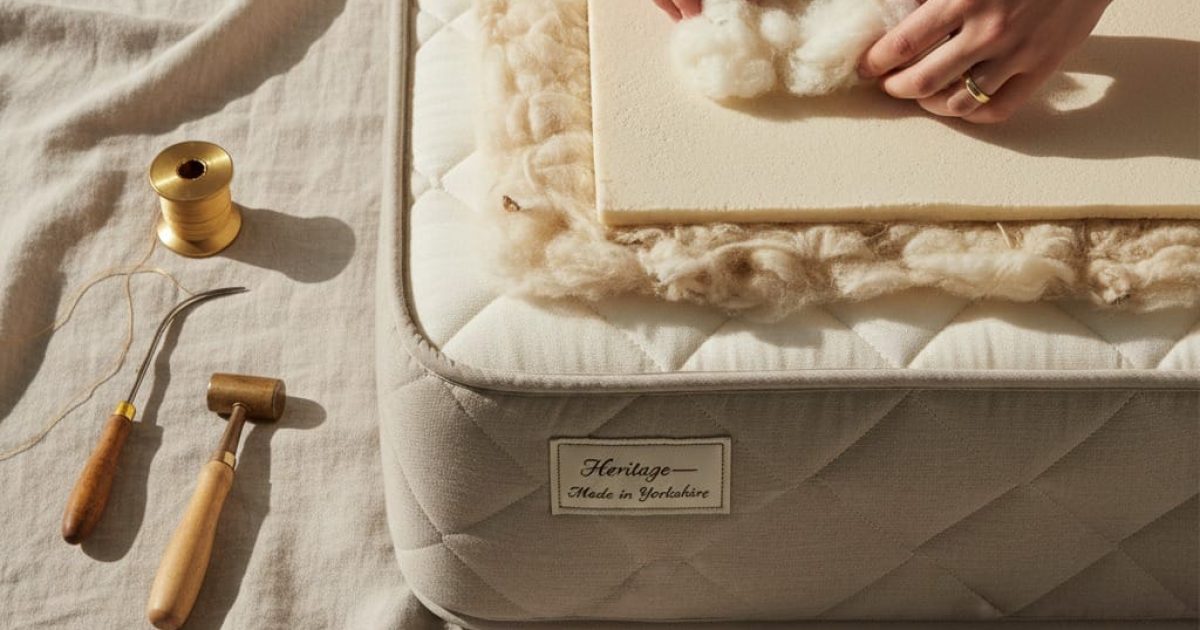
Mattress fillings play a crucial role in determining the comfort, support, and durability of your mattress. Whether you prefer the natural feel of organic materials or the advanced technology behind synthetic options, understanding the differences can help you make an informed choice. In today’s market, mattress fillings broadly fall into two categories: natural fibre mattress fillings and synthetic materials such as foams. Each type offers unique benefits and potential drawbacks, tailored to different sleeping preferences and needs.
Natural fillings typically include materials like wool, cotton, horsehair, and latex derived from natural sources. These fillings are prized for their breathability, sustainability, and hypoallergenic properties. On the other hand, synthetic fillings often consist of various foam types such as memory foam and reflex foam, designed to provide targeted support and pressure relief.
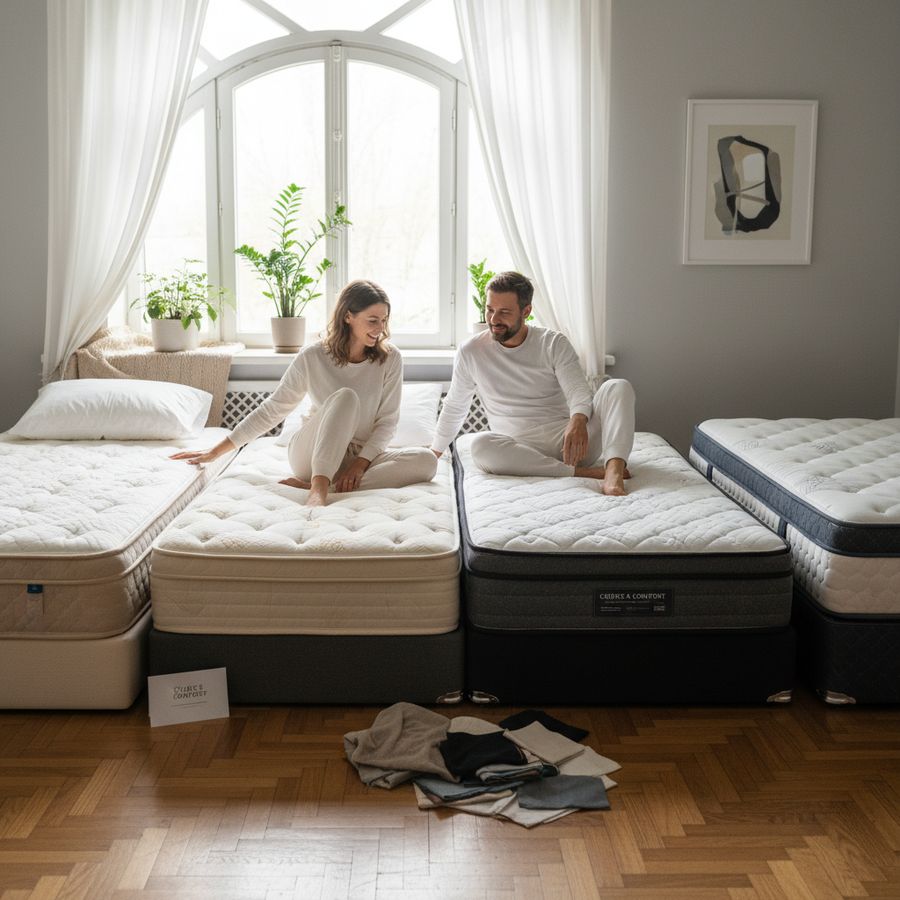
Moreover, hybrid mattresses combine these technologies to leverage the best of both worlds—offering natural fibre comfort with the supportive qualities of foams. This guide will explore the pros and cons of each mattress filling type, helping you understand which mattress suits your sleeping style, budget, and health considerations.
“Choosing the right mattress filling is essential for a good night’s sleep, impacting everything from temperature regulation to spinal alignment.”
Natural Fibre Mattress Pros and Cons
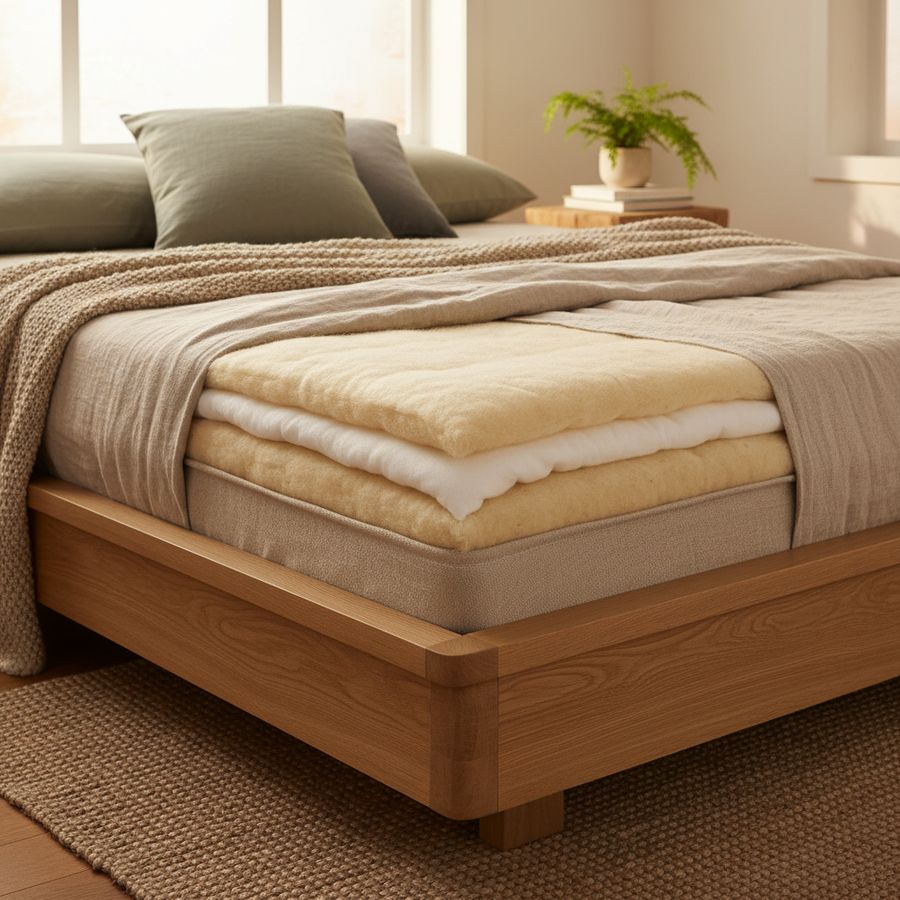
Natural fibre mattresses have long been celebrated for their eco-friendly and breathable properties. These mattresses often use materials such as wool, cotton, and horsehair, combined sometimes with natural latex, creating a sleeping surface that is sustainable and gentle on the skin.
Pros:
- Breathability: Natural fibres allow air to circulate freely, helping regulate temperature and reduce sweating during sleep.
- Hypoallergenic: Many natural fibres resist dust mites and allergens, making them ideal for those with allergies or sensitive skin.
- Eco-friendly: Sourced sustainably, these fillings have a lower environmental impact compared to synthetic alternatives.
- Durability: High-quality natural fibre mattresses can last many years if properly maintained.
Cons:
- Cost: Natural fibre mattresses tend to be more expensive upfront due to the sourcing and craftsmanship involved.
- Weight: They are often heavier and less flexible, making moving or rotating the mattress more challenging.
- Moisture retention: While breathable, some natural fibres may absorb moisture, potentially leading to mildew if not aired properly.
Choosing a natural fibre mattress means prioritizing sustainability and breathability, often with a slightly firmer feel. They are best suited for sleepers who prefer a cooler, more traditional mattress experience and value natural materials.
Foam Mattress Types: Memory and Reflex
Foam mattresses have revolutionised sleep comfort with their ability to contour the body and provide targeted support. The two most popular types are memory foam mattresses and reflex foam mattresses.
Memory foam mattresses are known for their viscoelastic properties, which respond to body heat and pressure. This allows the foam to mould to your shape, alleviating pressure points and promoting spinal alignment. This feature makes memory foam excellent for those with joint pain or chronic discomfort.
Reflex foam mattresses are firmer and more resilient compared to memory foam. They provide a responsive surface that supports the body evenly without the sinking feeling associated with memory foam. Reflex foam is often used in mattress bases or as a standalone filling for those who prefer a firmer mattress.
Benefits of foam mattresses include:
- Excellent pressure relief and support for various sleeping positions.
- Motion isolation, reducing disturbance from a partner’s movements.
- Lightweight and easier to handle compared to many natural fibre mattresses.
However, some drawbacks exist: memory foam can retain heat, making it less ideal for hot sleepers, while reflex foam is less contouring and may feel too firm for some.
“Memory foam mattress technology offers personalised comfort by conforming to your body shape, enhancing sleep quality significantly.”
Hybrid Mattresses: Comfort, Support, Price
Hybrid mattresses combine the benefits of natural fibre fillings with advanced foam technologies to create a balanced sleep experience. Typically, a hybrid mattress features a support core of coils or springs, topped with layers of memory foam, reflex foam, or natural fibres like wool or latex.
The hybrid design aims to deliver optimal comfort and support by providing the responsiveness of springs for spinal alignment and the cushioning effect of foam or natural fibres for pressure relief. This construction can suit a wide range of sleepers, from those seeking plush softness to those needing firmer support.
Price considerations: Hybrid mattresses generally fall in the mid-to-upper price range, reflecting the complexity of construction and the quality of materials involved. Investing in a hybrid mattress can be worthwhile for those wanting a versatile mattress that balances comfort, support, and durability.
Some advantages of hybrid mattresses include:
- Enhanced airflow due to coil systems, improving breathability compared to all-foam mattresses.
- Customisable firmness and feel by adjusting the layers of natural and synthetic fillings.
- Durability, as the combination of materials can prevent sagging and prolong mattress life.
For shoppers seeking a balance between natural fibre mattress comfort and the benefits of foam technology, hybrid mattresses offer a compelling solution.
Which Filling Lasts Longest for the Money
Durability is a key consideration when investing in a mattress, and the longevity of different mattress fillings varies significantly. Understanding which filling offers the best lifespan relative to cost can help you maximise your investment.
Natural fibre mattresses such as those filled with wool or horsehair are known for their longevity, often lasting 10-15 years or more when properly cared for. However, they require regular maintenance like airing and rotating to prevent moisture build-up and compression.
Memory foam mattresses typically last around 8-10 years. High-density memory foam offers greater durability but tends to be more expensive. Cheaper memory foam mattresses may degrade faster, losing support and developing indentations.
Reflex foam mattresses, while more affordable, generally have a shorter lifespan of 5-8 years. Their firmer structure resists sagging initially but can break down quicker under heavy use.
Hybrid mattresses often extend the overall mattress life by combining materials that complement each other’s durability. The coil springs provide structural integrity, while the foam or natural fibre layers offer comfort without compressing quickly.
“The best mattress filling for longevity balances durability with comfort—hybrid mattresses often provide the most cost-effective lifespan.”
Allergy-Friendly Fillings and Breathability
For allergy sufferers, choosing the right mattress filling is essential to maintaining a healthy sleep environment. Certain materials naturally resist allergens, dust mites, and mould, while others can exacerbate sensitivities.
Natural fibre mattresses</strong, particularly those made with wool and cotton, are naturally hypoallergenic and breathable. Wool’s ability to wick moisture helps prevent the growth of dust mites and mildew. Organic cotton is soft and gentle on sensitive skin, reducing irritation risks.
Foam mattresses</strong can sometimes trap heat and moisture, creating a less hospitable environment for allergens if not properly ventilated. However, high-quality memory foam is dense and resistant to dust mites, making it a good option for allergy sufferers when combined with breathable covers.
Hybrid mattresses generally offer improved breathability thanks to their coil systems, which allow air to circulate more freely than all-foam designs. This airflow helps regulate temperature and reduce moisture retention, limiting allergen accumulation.
When selecting an allergy-friendly mattress, consider the following:
- Choose natural fibre fillings known for moisture-wicking and hypoallergenic properties.
- Opt for mattresses with good airflow, such as hybrids with coil cores.
- Use allergen-proof mattress covers and maintain a clean sleeping environment.
Conclusion
Choosing between natural fibre mattresses, foam mattresses like memory foam and reflex foam, or hybrid mattresses depends on your personal preferences, budget, and health needs. Natural fibres offer breathability and sustainability, foam provides targeted support and comfort, and hybrids blend the best features of both.
Consider factors such as durability, price, allergy-friendliness, and breathability when making your decision. Investing in a quality mattress with the right filling can improve sleep quality, support your health, and provide excellent value for money over time.
“At Harmony Beds, we understand the importance of quality mattress fillings and offer a wide range of options handmade in Yorkshire to suit every sleeper’s needs.”