


Overview
Choosing the right fabric for your bed is a crucial aspect that affects not only the comfort but also the overall style and longevity of your bedroom centerpiece. Beds are more than just a place to sleep; they are a significant piece of furniture that sets the tone for your bedroom decor and personal comfort. With a variety of bed fabric types available, understanding how each fabric influences your bed’s style and feel can help you make an informed decision that complements your lifestyle and aesthetic preferences.
Fabric choice impacts fabric bed comfort by determining softness, breathability, and temperature regulation. Moreover, the right upholstery fabrics can enhance your bed’s durability, ensuring it withstands daily use while maintaining its visual appeal. Whether you prefer a sleek, modern look or a cozy, traditional vibe, fabric selection plays a fundamental role in crafting your ideal sleeping environment.
In this comprehensive guide, we explore the most common upholstery fabrics used in beds, weigh their advantages and disadvantages, and discuss how fabric durability and maintenance can influence your choice. We will also delve into the interplay between fabric and bedroom aesthetics, offering tips on matching fabric to your decor and considering cost factors to find the perfect balance between value and style.
“The fabric that covers your bed is not just a design choice—it’s a key factor in your sleeping experience and bedroom ambiance.”
Common Bed Fabric Types
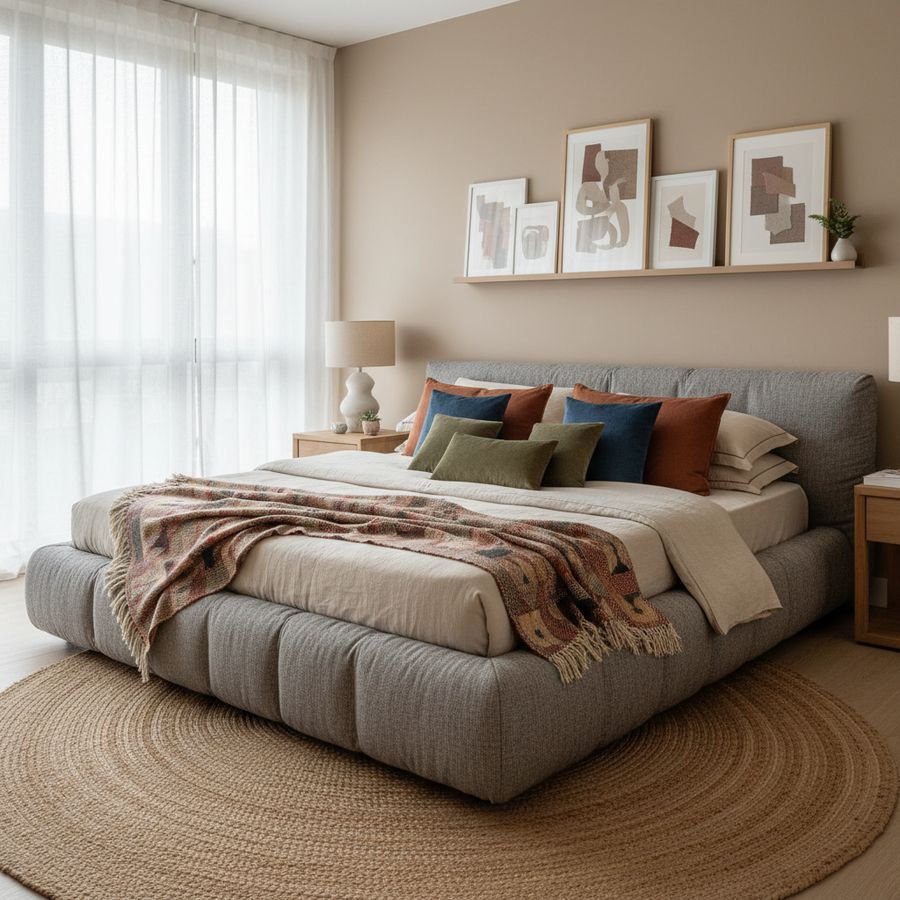
Understanding bed fabric types is essential to selecting a fabric that suits both your style and comfort needs. The most popular upholstery fabrics for beds include:
- Linen: Known for its breathability and natural texture, linen is a great choice for a fresh, airy feel. It is cool to the touch, making it ideal for warmer climates.
- Cotton: A versatile and soft fabric that offers comfort and durability. Cotton upholstery fabrics are easy to clean and maintain, making them a practical option.
- Velvet: Luxurious and plush, velvet adds a rich texture and depth to bed frames. It offers a sense of opulence but requires careful maintenance.
- Chenille: This fabric is soft and durable, with a slightly nubby texture that enhances comfort and adds visual interest.
- Polyester blends: Often blended with natural fibers to increase durability and stain resistance, these fabrics are budget-friendly and easy to care for.
- Leather and faux leather: Although less common in fabric beds, these materials provide a sleek, modern look and are easy to wipe clean but can be less breathable.
Each fabric type offers unique benefits and challenges, influencing not only the tactile experience but also the longevity and upkeep of your bed. Choosing the right fabric means balancing your preferred aesthetic with practical considerations like climate, lifestyle, and maintenance capabilities.
Pros and Cons of Each Fabric
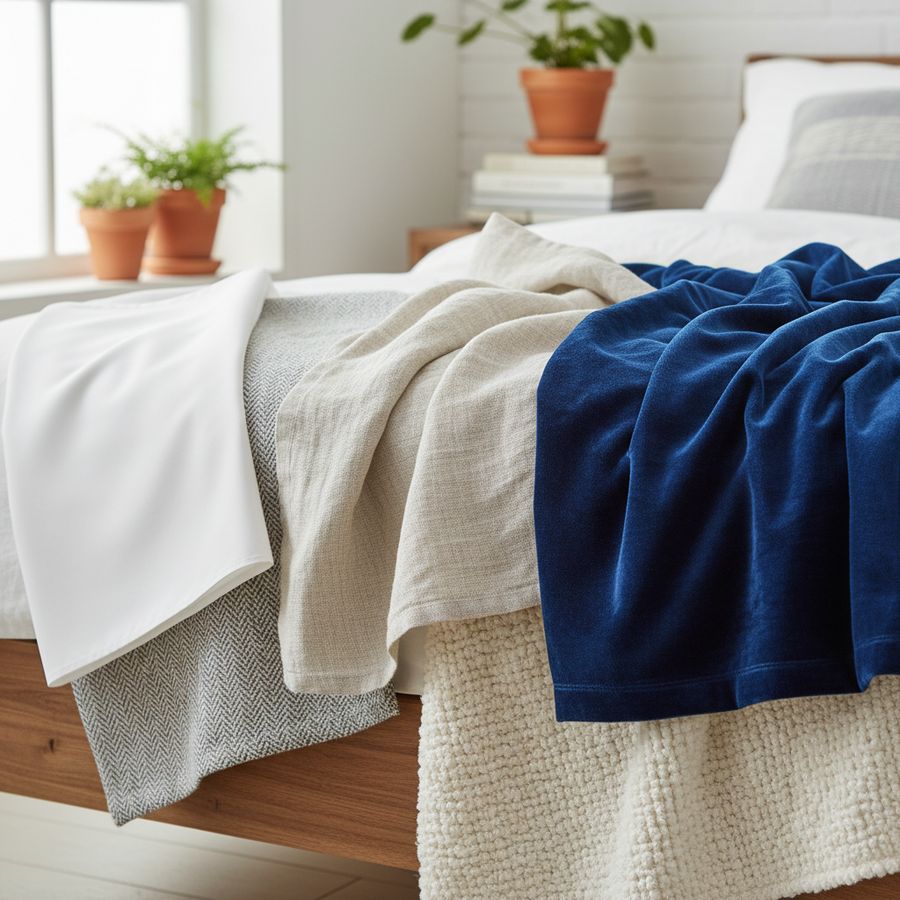
Every upholstery fabric comes with its own set of advantages and limitations that affect fabric bed comfort and style. Here’s a breakdown of the pros and cons of the most common bed fabric types:
- Linen: Pros: Breathable, natural, hypoallergenic. Cons: Wrinkles easily, can be prone to wear over time.
- Cotton: Pros: Soft, durable, easy to clean. Cons: Can stain easily, may fade with prolonged sun exposure.
- Velvet: Pros: Luxurious look and feel, rich texture. Cons: Requires gentle cleaning, can wear down in high-traffic areas.
- Chenille: Pros: Soft, durable, textured appearance. Cons: Can attract dust and pet hair, may require professional cleaning.
- Polyester blends: Pros: Affordable, stain-resistant, easy maintenance. Cons: Less breathable, may feel synthetic.
- Leather/Faux leather: Pros: Sleek, easy to clean, durable. Cons: Can be cold or sticky depending on temperature, less breathable.
When selecting a fabric, it’s important to consider how these factors align with your lifestyle and bedroom environment. For example, homes with pets or children may benefit from stain-resistant polyester blends, while those seeking a sophisticated look might opt for velvet despite its higher maintenance needs.
Fabric Durability and Maintenance
Fabric durability beds depend largely on the type of upholstery fabric chosen. Durability is a key consideration when investing in a bed, as it ensures that the fabric can handle regular use without premature wear or damage. Natural fabrics like linen and cotton offer good durability but may require more frequent cleaning and protection against stains and fading.
On the other hand, synthetic fabrics and blends, such as polyester, often provide enhanced resistance to stains and abrasion, making them ideal for busy households. Velvet and chenille, while luxurious, demand gentle care and often professional cleaning to maintain their plush texture.
Maintenance practices vary by fabric type:
- Linen and Cotton: Regular vacuuming and spot cleaning with mild detergents work well. Avoid direct sunlight to prevent fading.
- Velvet and Chenille: Use a soft brush to maintain texture and vacuum regularly. Professional cleaning is recommended for deep stains.
- Polyester Blends: These are typically easy to clean with spot treatments and can often be wiped down with mild soap and water.
- Leather and Faux leather: Clean with a damp cloth and condition leather periodically to avoid cracking.
“Proper maintenance extends the life of your bed’s fabric, preserving both comfort and style for years to come.”
Choosing a fabric that matches your willingness and ability to maintain it is just as important as the fabric’s initial look and feel.
Impact on Bedroom Aesthetics
The choice of upholstery fabrics significantly influences the overall bed style ideas and ambiance of your bedroom. Fabrics contribute texture, colour, and pattern, which can transform the mood and visual appeal of the space.
For instance, a velvet-upholstered bed frame exudes luxury and warmth, perfect for creating an inviting, elegant bedroom. In contrast, a linen or cotton fabric bed offers a more casual, relaxed vibe, suitable for coastal or minimalist decor themes. Chenille adds texture and depth, enhancing a cozy, tactile environment.
Colour choice within each fabric type also plays a vital role. Neutral tones provide versatility and timeless appeal, while bold colours or patterns can make the bed a striking focal point. Additionally, the way fabric interacts with light in your room—matte versus shiny finishes—can affect the perceived size and brightness of the space.
Ultimately, the fabric not only defines the tactile experience but also serves as a foundational design element. Selecting the right fabric helps unify your bedroom’s style while reflecting your personal taste and lifestyle.
Matching Fabric to Decor
Creating a harmonious bedroom requires thoughtful coordination between your bed’s fabric and the surrounding decor. When matching upholstery fabrics to your existing or planned bedroom design, consider the following:
- Colour Palette: Choose fabric colours that complement or contrast elegantly with your walls, flooring, and other furniture.
- Texture Balance: Mix and match textures for visual interest—pair smooth fabrics with textured throws or rugs.
- Style Consistency: Match fabric styles to the overall theme, such as plush velvet with classic or traditional rooms, and linen with modern or Scandinavian interiors.
- Practicality: Consider how the fabric’s maintenance fits your lifestyle, especially if coordinating with delicate decor elements.
For example, a neutral chenille bed fabric can complement a wide range of colours and patterns, making it a versatile choice for eclectic decor. Alternatively, a bold velvet fabric in jewel tones can elevate a minimalist bedroom by adding a luxurious statement piece.
Choosing the right fabric is key to enhancing your bedroom’s character and making your bed a cohesive part of your home’s style narrative.
Cost Factors in Fabric Selection
When selecting upholstery fabrics for beds, cost is a significant consideration alongside style and comfort. Fabric prices vary widely depending on material quality, weave, and brand. Natural fabrics like linen and cotton typically fall into a moderate price range, offering good value for both comfort and durability. Velvet and chenille often come at a premium due to their luxurious appearance and texture.
Synthetic options such as polyester blends tend to be more affordable, making them attractive for budget-conscious buyers seeking durability and ease of maintenance. Leather and faux leather upholstery usually represent a higher-end investment, reflecting their distinctive style and durability.
Additional cost factors include:
- Fabric Weight and Quality: Heavier, tightly woven fabrics generally cost more but offer better longevity.
- Customisation: Custom colours and patterns may add to the cost but allow for a unique bedroom look.
- Maintenance Requirements: Some fabrics require professional cleaning, which can add to long-term costs.
Balancing your budget with desired fabric features will help you find a bed fabric that meets your needs without compromising on style or comfort.
Conclusion
In summary, the choice of fabric for your bed is a multifaceted decision that affects bed style ideas, comfort, durability, maintenance, and cost. Understanding the characteristics of different bed fabric types empowers you to select upholstery fabrics that enhance both your sleeping experience and bedroom aesthetics.
From breathable linen and practical cotton to sumptuous velvet and resilient polyester blends, each fabric offers unique advantages and challenges. Carefully considering fabric durability and maintenance can prolong the life of your bed, while matching fabric to your decor ensures a cohesive and inviting space.
Ultimately, investing time in selecting the right fabric leads to a bed that not only looks beautiful but feels comfortable and lasts for years. Whether you are upgrading your current bed or designing a new bedroom, prioritising fabric choice is key to achieving the perfect balance of style, comfort, and value.
“The fabric you choose for your bed is the foundation of your bedroom’s style and comfort—it deserves thoughtful selection and care.”