



Overview
Choosing the right mattress is crucial for a good night’s sleep and overall health. Many people wonder, can a cheap mattress cause back pain? The answer is often yes, especially if the mattress lacks proper support and durability. A budget mattress might save money upfront, but poor quality can lead to discomfort, restless nights, and lasting back issues.
Back pain linked to mattresses usually stems from inadequate mattress support, which affects spinal alignment during sleep. Without the right mattress support, pressure points develop, muscles tense, and the spine can curve unnaturally, triggering pain. This makes understanding the balance between mattress firmness and support essential, especially when shopping on a budget.
At Harmony Beds, we emphasise the importance of an orthopaedic mattress that supports your spine effectively while fitting your budget. Our range includes affordable options crafted in Yorkshire that combine quality materials with expert craftsmanship, ensuring you don’t have to compromise your back health just to save a few pounds.
How a Mattress Can Trigger Back Pain
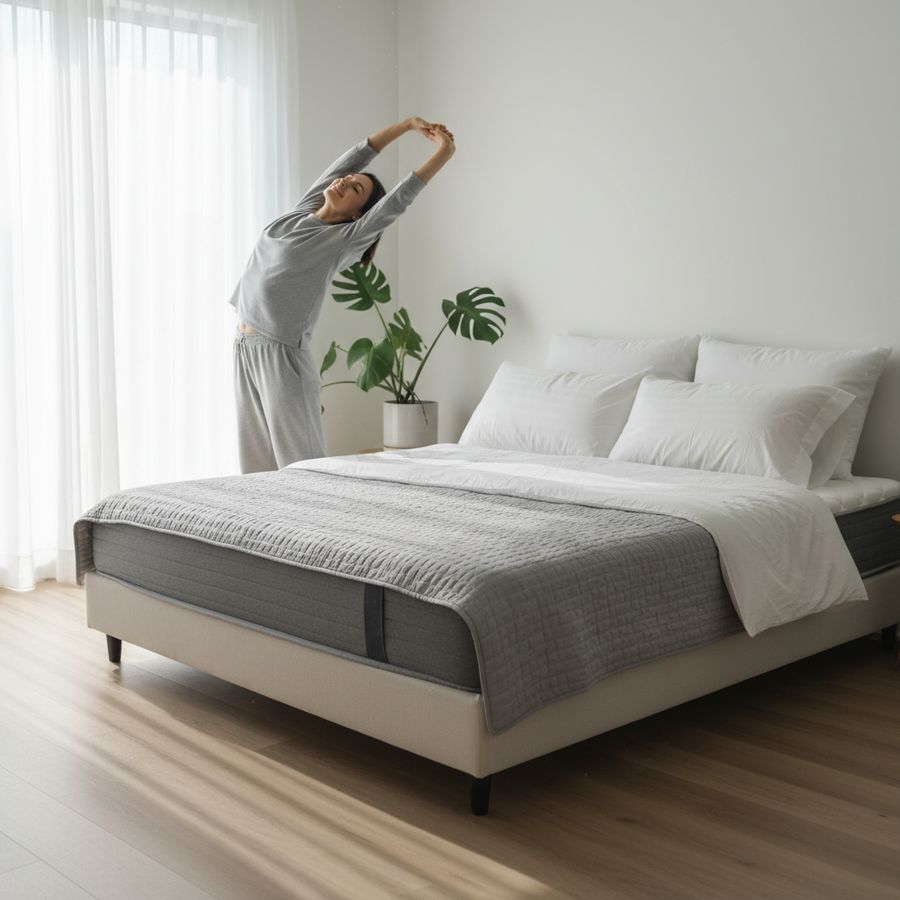
A mattress directly influences the health of your spine and muscles during sleep. When a mattress fails to provide adequate support, it can lead to improper spinal alignment. This misalignment strains the muscles, ligaments, and discs in your back, often causing persistent or worsening back pain.
Cheap mattresses frequently use low-quality materials that wear out quickly, losing their shape and support. This sagging or uneven surface forces your body into unnatural positions throughout the night. The result is often stiffness, soreness, and even chronic pain upon waking.
“A mattress that does not support your spine’s natural curve can contribute to long-term back problems.”
Moreover, a mattress that is too firm or too soft can trigger discomfort, as it either puts too much pressure on key areas or fails to support the lumbar region adequately. Understanding these dynamics helps in selecting the right mattress to prevent back pain rather than cause it.
Support Vs Firmness: What Your Spine Needs
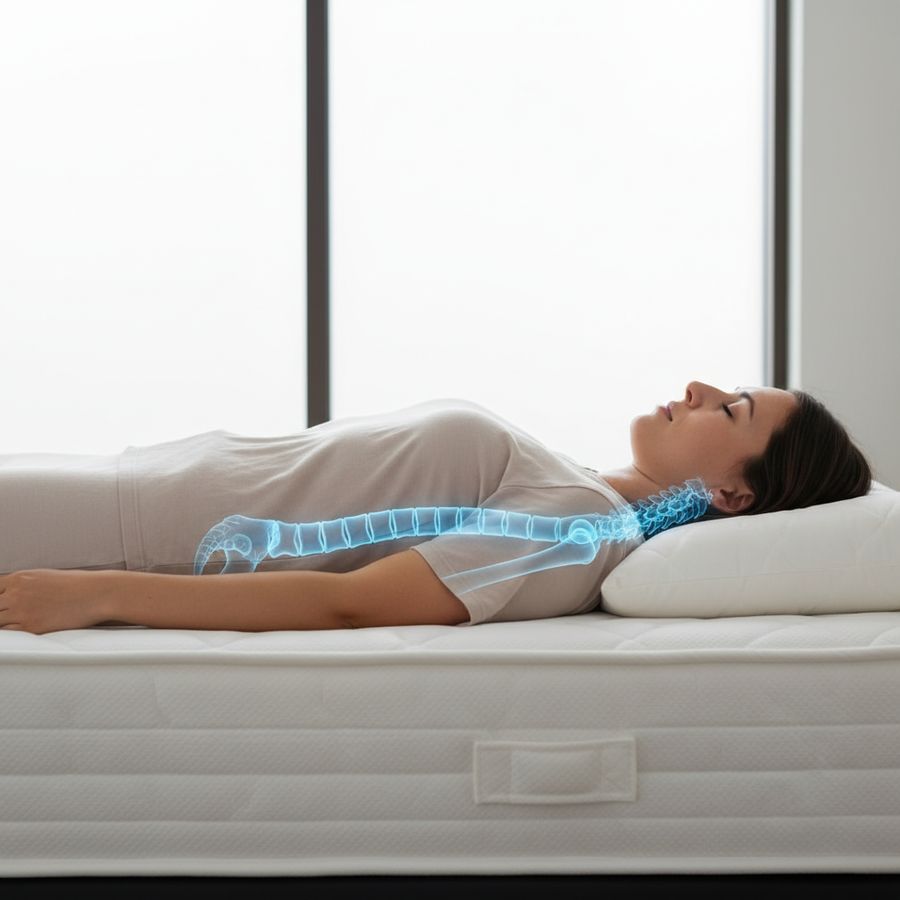
Support and firmness are two different yet interconnected mattress qualities crucial for spinal health. Mattress support refers to how well the mattress keeps your spine aligned, while firmness is about the surface feel — how hard or soft it is.
For effective back pain relief, your mattress must provide adequate mattress support to maintain the natural S-curve of your spine. This often means a mattress that is firm enough to prevent sagging but with enough cushioning to relieve pressure points.
Many people confuse firmness with support, but a very firm mattress without contouring can cause discomfort, while a soft mattress might fail to support your lower back. A well-chosen firm mattress or an orthopaedic mattress strikes the right balance, promoting healthy posture during sleep.
- Firm mattresses help reduce sinking and promote spinal alignment.
- Proper support prevents muscle strain and reduces back pain.
- Comfort layers help minimise pressure points for better sleep quality.
When shopping for a budget mattress, look beyond firmness ratings and focus on how well the mattress supports your body shape and sleeping position.
Budget Mattress Materials That Fail Fastest
Many budget mattresses use materials that degrade quickly, impacting support and comfort. Common low-cost fillings include low-density foam, cheap polyester fibres, and inferior coil springs. These materials tend to lose resilience within months, leading to sagging and uneven surfaces.
For instance, low-density foam breaks down faster, reducing the mattress’s ability to hold shape and support your spine. Similarly, cheap spring units may become noisy or compressed, causing pressure points and discomfort.
While these materials make mattresses more affordable, they often result in a shorter lifespan and increased risk of cheap mattress back pain. Investing in mattresses with higher-quality foams, pocket springs, or natural fillings can provide better long-term value, even on a budget.
- Low-density polyurethane foam
- Thin polyester fibre padding
- Cheap bonnell coil springs
Understanding what materials are in your mattress can help you avoid the pitfalls of poor support and premature breakdown.
Signs Your Mattress Is Too Soft or Sagging
Recognising when your mattress is too soft or sagging is essential for preventing back pain. A mattress that no longer supports your body properly can cause or exacerbate discomfort, especially in the back and hips.
Common signs include feeling aches or stiffness upon waking, noticing visible dips or indentations on the mattress surface, and increased tossing or turning during the night. If your mattress sags noticeably, it fails to maintain the spine’s natural alignment, putting pressure on muscles and joints.
“A sagging mattress is a silent contributor to back pain and poor sleep quality.”
Another indicator is if you wake up feeling unrested or find yourself sleeping better elsewhere, like on a couch or hotel bed. These signs suggest your mattress no longer provides the support your spine needs and it might be time to consider a replacement, even if you initially chose a budget mattress.
Best Mattress Types for Back Pain on a Budget
Finding the best mattress for back pain within a budget requires balancing quality and cost. Several mattress types stand out as affordable yet supportive options that can help alleviate back pain.
Memory foam mattresses offer excellent contouring support, relieving pressure points and maintaining spinal alignment. Look for medium-firm options with high-density foam for durability. Hybrid mattresses, combining pocket springs and foam layers, provide both support and comfort, often available at competitive prices.
Orthopaedic mattresses designed specifically for back support are increasingly accessible at budget-friendly prices, especially when bought direct from manufacturers like Harmony Beds. These mattresses typically feature reinforced support in the lumbar area to maintain correct posture during sleep.
- Medium-firm memory foam mattresses
- Hybrid mattresses with pocket springs
- Orthopaedic mattresses with targeted lumbar support
By prioritising support and durability in your budget mattress, you can reduce the risk of back pain without overspending.
When to Replace a Mattress: UK Timeframe Guide
Knowing when to replace your mattress is key to maintaining good back health and sleep quality. In the UK, most mattresses last between 7 to 10 years, depending on materials and use. Budget mattresses often fall towards the lower end of this range due to less durable components.
Signs you should consider replacing your mattress include persistent back pain, noticeable sagging, lumps, or increased allergies due to dust mites. Frequent waking or difficulty falling asleep can also indicate mattress degradation.
“Replacing your mattress at the right time can prevent chronic back pain and improve overall wellbeing.”
To extend mattress life, rotate it regularly and use a suitable bed base, like divan beds or ottoman bases that offer firm support. When shopping for a new mattress in the UK, consider options that come with warranties and trial periods to ensure you get the best value and comfort.
Conclusion
In summary, a cheap mattress can indeed cause back pain if it lacks proper mattress support and durable materials. Understanding the difference between support and firmness and recognising signs of mattress wear are critical to preventing back discomfort.
Choosing a budget mattress does not mean sacrificing quality — options like medium-firm memory foam, hybrid, or orthopaedic mattresses can provide affordable relief for back pain. Always consider the lifespan and materials used to avoid early sagging and discomfort.
At Harmony Beds, we offer a wide selection of handmade, affordable mattresses crafted in Yorkshire, designed to provide excellent support and comfort without breaking the bank. Investing in the right mattress supports your spine, improves sleep quality, and helps you wake up pain-free every day.